
The stem cell culture room at Omotesando Helene Clinic is operated under the following strict hygiene controls: ISO Class 5 (Class 100) clean air is supplied to the clean bench, keeping the interior clean.
To grow and manage cells, the Cell Processing Center (CPC) must meet extremely high standards for reducing the number of particles and creating a sterile, bacteria-free room. To ensure a high level of safety, virus testing is also conducted when cells are received.
Furthermore, we have established a cell culture operation management system that incorporates a strict quality control system, including barcode management (traceability system) to prevent sample errors and history management of all processes.
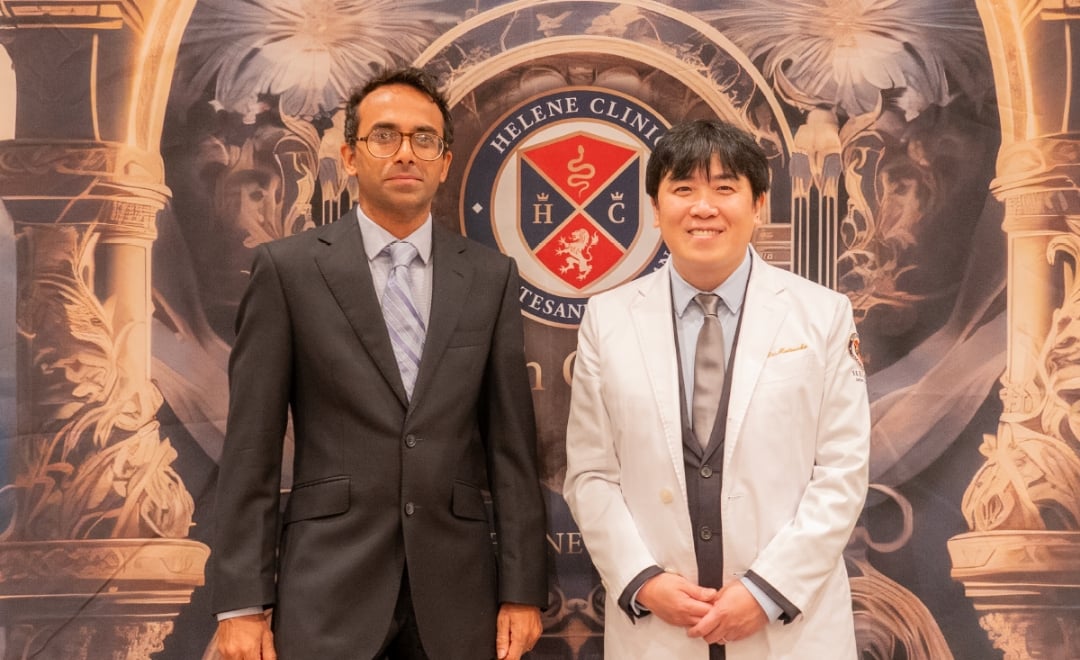
At Omotesando Helene Clinic, we have welcomed Dr. Ravindra Gupta, Professor of Microbiology and Infectious Diseases at the University of Cambridge Faculty of Medicine, as our technical advisor.
Professor Gupta is a world-renowned infectious disease researcher, and he incorporates the latest knowledge in the fields of stem cells and regenerative medicine into our culture technology and quality control system.
Our clinic has both a clinic and a stem cell culture laboratory. We cultivate stem cells collected from the body in the culture laboratory and process them to a quantity and quality suitable for treatment and research.
At Omotesando Helene Clinic, we focus on mesenchymal stem cells (MSCs), aiming to safely proliferate them while maintaining their undifferentiated state and function. We optimize the culture medium and conditions according to the properties and purpose of the cells, supplying cells that can withstand clinical application.
In the cultivation room, clean benches and clean rooms are used to thoroughly eliminate microbial contamination from outside, and workers wear dust-free clothing, disinfect their hands, and wipe equipment with alcohol before entering the room. After work is completed, equipment is sterilized with UV light to maintain a constantly clean environment. Furthermore, unique contamination risk reduction measures such as the "minimum exposure principle" and "two-stage cleaning" have been introduced to ensure both safety and quality.
Everything from cell culture, cell banking, and quality control is done in-house. By visualizing the culture process, patients can receive treatment with peace of mind.
Omotesando Helene Clinic has an in-house stem cell culture room and has undergone inspection by a third-party organization to issue a stem cell quality certificate, and has certified safety and quality through Takara Bio's GMP and regenerative medicine GLP inspections.
Using HELENE Medium and our proprietary technology, we are able to culture up to 2.25 billion MSCs within one month, enabling our clinic to provide 2.25 billion stem cell therapy.
The culture laboratory at Omotesando Helene Clinic operates in accordance with the structural and equipment standards and compliance requirements set by the Japanese Ministry of Health, Labour and Welfare, using a standardized, unified process from facility design to work procedures and record keeping. A notification of manufacture of specific cell-processed products has also been submitted, ensuring the provision of safe and effective stem cells under a legally compliant system.
Furthermore, high-performance equipment conforming to international standards is used in each stage of culture, and all equipment undergoes regular inspections and calibrations based on the ISO 9001 quality management system.
This maintains a safe and highly reproducible cell culture environment.
The culture laboratory at Omotesando Helene Clinic fully complies with the manufacturing standards for "specified cell-processed products" set by the Japanese Ministry of Health, Labour and Welfare.
From facility design to work procedures and record-keeping, everything is standardized, ensuring a unified process across all steps.
Furthermore, a notification of manufacture of specified cell-processed products has been submitted, and the clinic operates under a legal compliance system.
This system ensures the safety and effectiveness of the stem cells provided to patients.
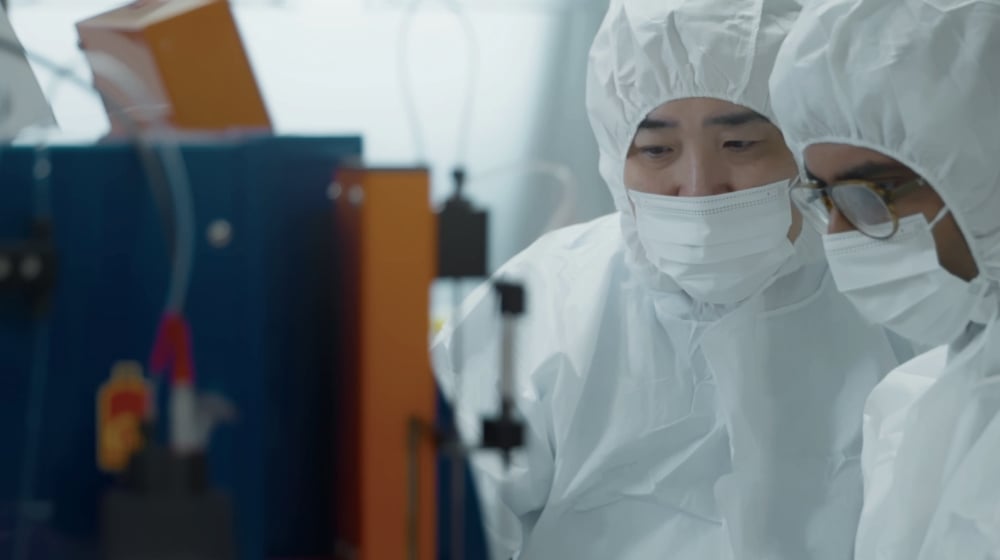
Each cultivation process uses high-performance equipment that meets international standards. All equipment undergoes regular inspection and calibration based on the ISO9001 quality management system to ensure safety and reproducibility.
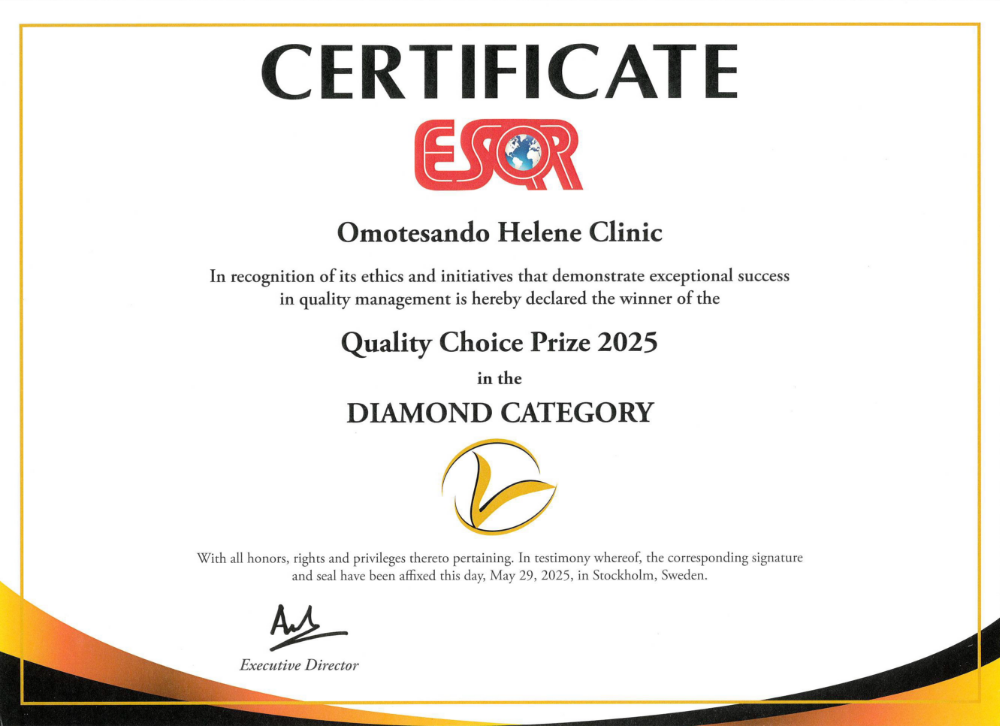
Omotesando Helene Clinic has received an international quality award from the European Society for Quality Research (ESQR) in recognition of its high quality control system and safety initiatives in the fields of stem cell culture and regenerative medicine. This award is proof that our clinic's sterility control, strict process management, compliance with laws and regulations, and stem cell supply system that can withstand clinical application are recognized by international standards.
We have been officially appointed to the Japanese branch of the American Society for Regenerative Medicine (ASRM). As a result, we will share the latest research results and technical information through an international academic network, and further contribute to the development of regenerative medicine and the promotion of its clinical application in Japan.

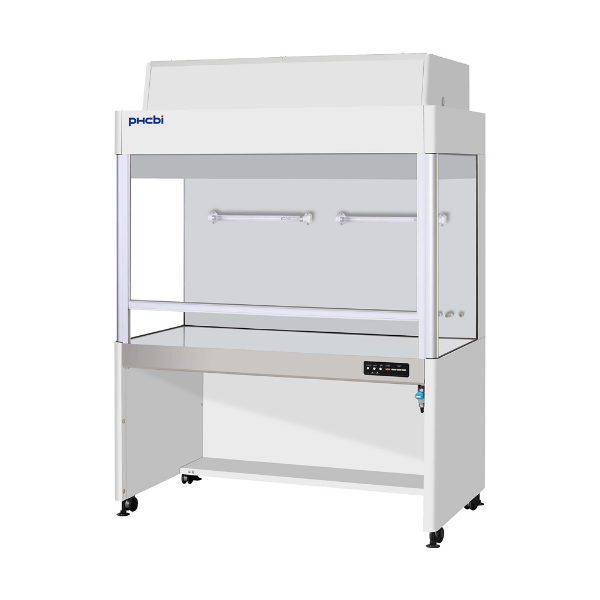
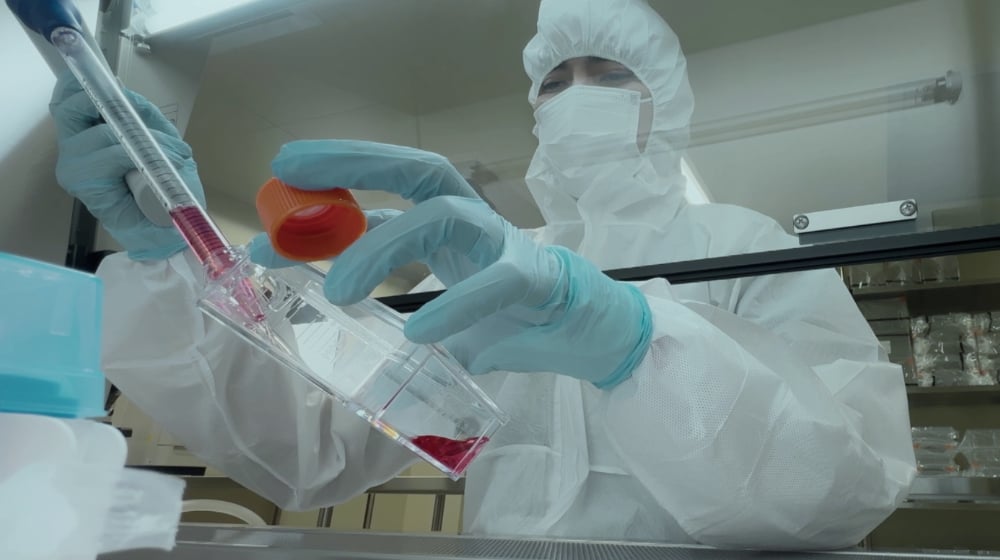
All processes are carried out in a sterile environment using a clean bench in accordance with the standards for specific cell processing set by the Ministry of Health, Labor and Welfare of Japan. Safety and quality are ensured through strict procedures and record management for medium changes and subcultures.
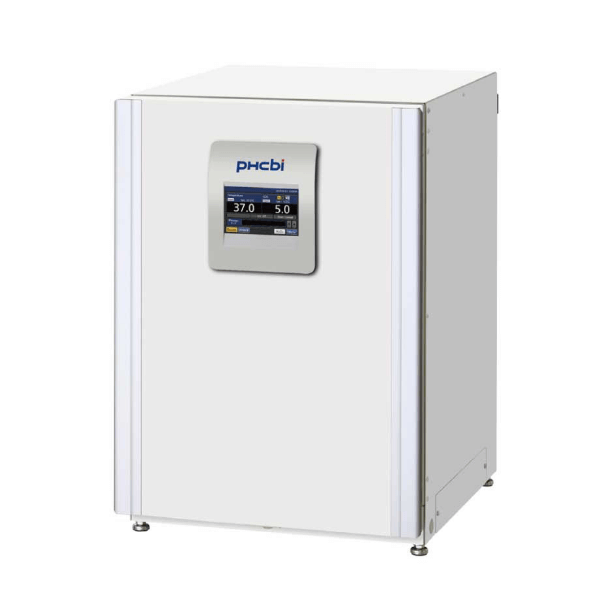
Stable culture in an incubator that maintains 37°C, 5% CO₂, and humidity of 90% or more. Equipped with UV sterilization and HEPA, "one batch, one incubator" prevents cross-contamination.
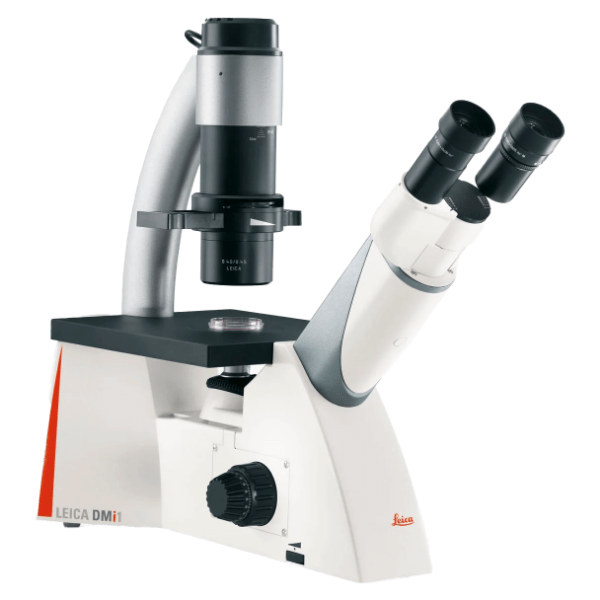
The adhesion status, morphology, proliferation, and contamination signs of MSCs are evaluated. Nuclear staining and marker expression, such as DAPI, are confirmed using inverted phase-contrast fluorescence microscopy.
Early detection is achieved using a standard recording format.
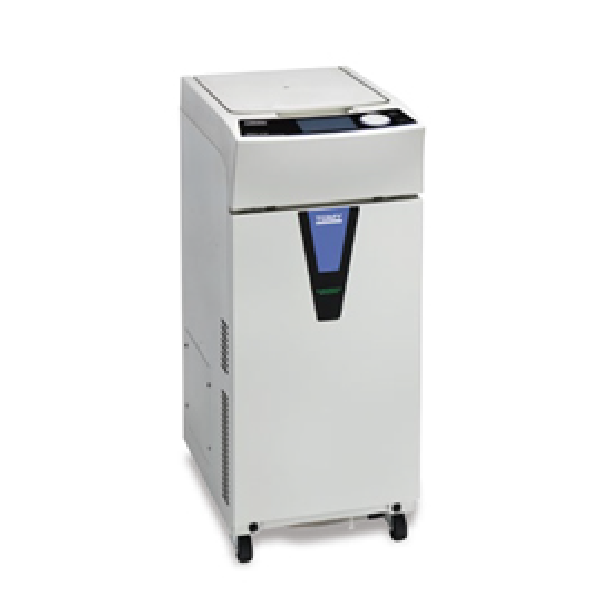
Low-temperature (approximately 4°C) centrifugation is performed using the MDX-310.
Pre-temperature precooling and soft braking minimize damage. Temperature, rotation speed, and time are standardized according to SOPs to maintain separation quality and activity.
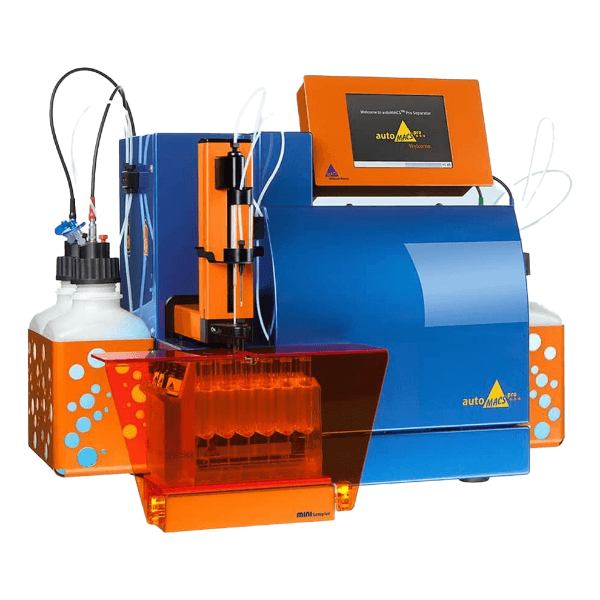
Improve the purity of MSCs (CD73+/CD90+/CD105+, etc.). Animal-derived component-free beads are used, and antibody concentration, time, and temperature are standardized to ensure safety and traceability.
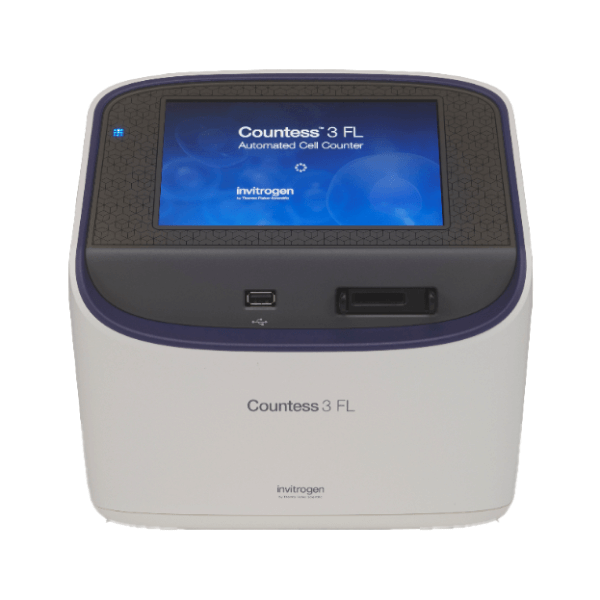
An automated counter evaluates cell count and viability at three points in time (after isolation, after subculturing, and before and after commercialization).
Quality and reproducibility are guaranteed based on a viability rate of 92% or higher.
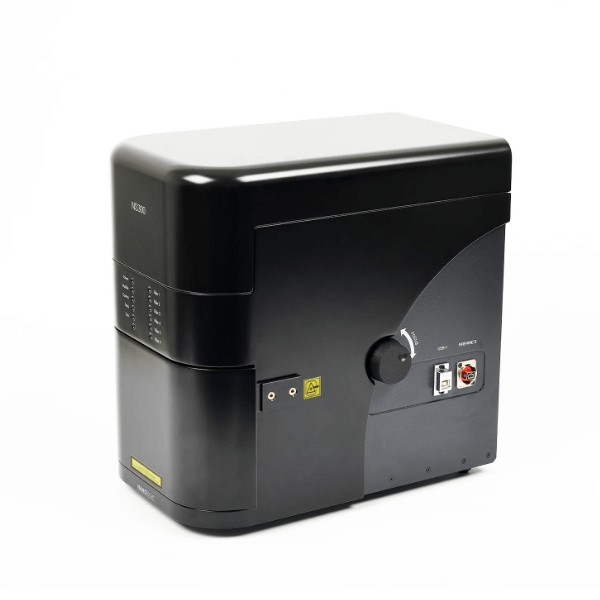
NanoSight analyzes particle size distribution, concentration, and zeta potential to evaluate secretory capacity and manufacturing process stability, strengthening the scientific basis for regenerative medicine.
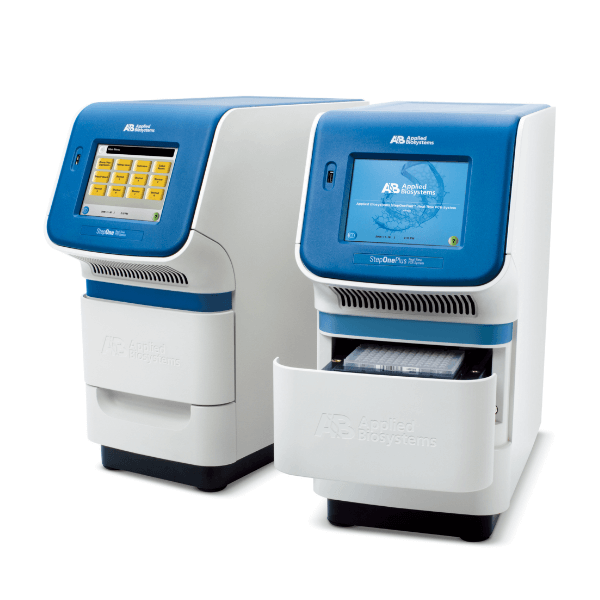
Real-time qPCR detects gene expression and mycoplasma with high sensitivity. Evaluate quality and functionality using targets such as GAPDH and IL-10.
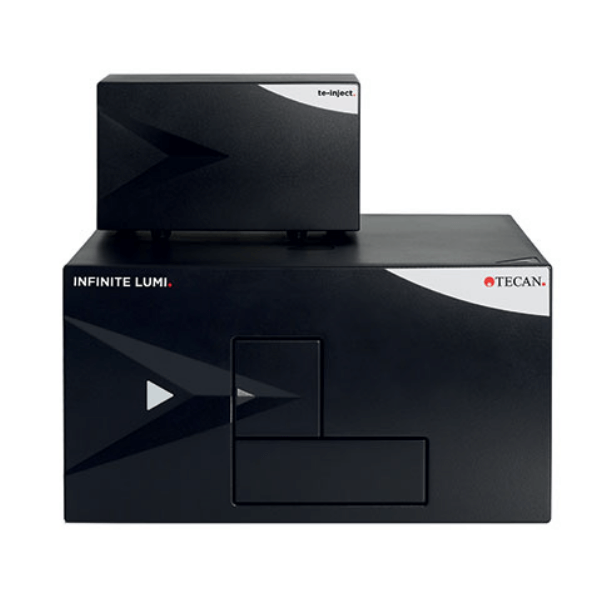
Endotoxin (<0.5EU/mL) and mycoplasma are measured as a final quality inspection. Safety is guaranteed through three-stage inspections (initial, intermediate, and final) and cross-checks by a third-party organization.
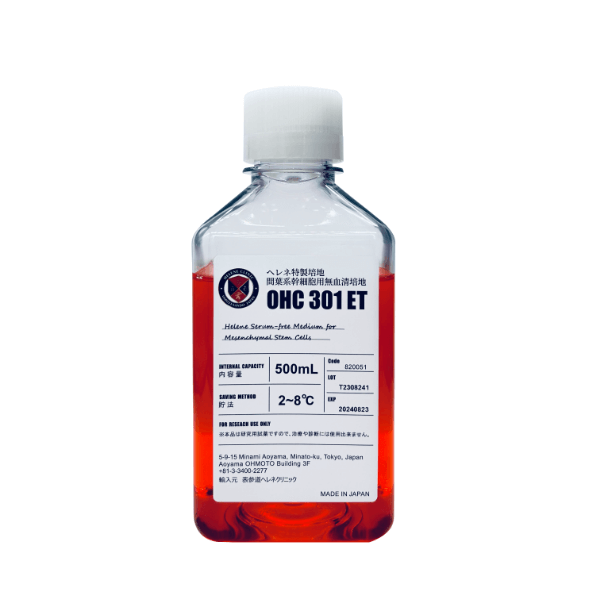
This GMP-grade medium is free of serum and animal-derived components. It maintains the morphology, undifferentiated state, and immunomodulatory ability of MSCs and is compatible with cells from multiple sources.
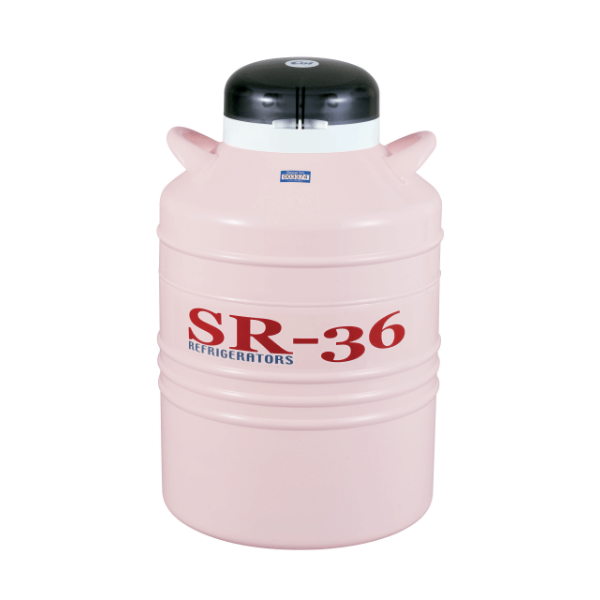
After slow cooling to -80°C in a DMSO-free storage solution and a programmable freezer, long-term storage is performed in liquid nitrogen at -196°C. After thawing at 37°C, the cells are managed in a multi-stage master/working cell bank
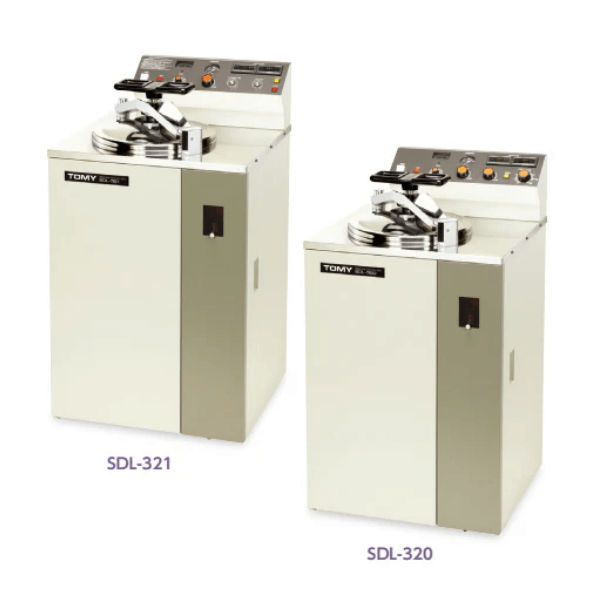
Compliant with clinical GMP standards, the equipment is sterilized by high-pressure steam at 121°C for 20 minutes or 134°C for 5 minutes. A sterile environment is guaranteed through weekly environmental disinfection, bacterial testing, and record management.
| Consultation hours | 10:00~19:00 |
|---|---|
| Closed days | Wed/Sun |
| address | 3rd Floor, Aoyama OHMOTO Bldg., 5-9-15 Minami-Aoyama, Minato-ku, Tokyo 107-0062 , Japan |
| phone | 03-3400-2277 |