
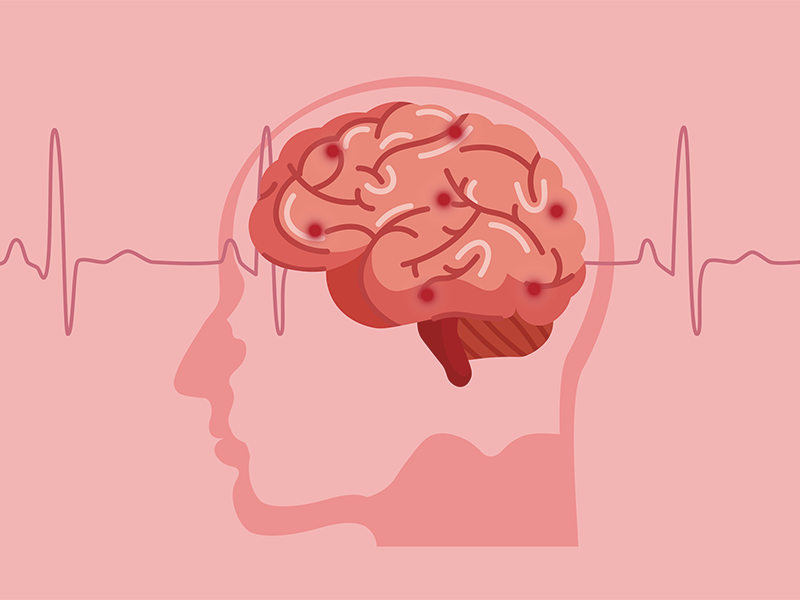
Stroke was once the leading cause of death among Japanese people, but the number of deaths has gradually decreased since the 1970s
According to the Ministry of Health, Labor and Welfare's vital statistics for fiscal year 2015, the leading causes of death were malignant neoplasms, heart disease, pneumonia, and stroke
However, stroke still accounts for approximately 9% of all deaths, and more than 110,000 people die from stroke each year
Of these, more than 60,000 people die from cerebral infarction
The decline in deaths can be attributed to advances in treatment as well as preventive medicine
In other words, stroke is a disease that can be prevented by taking preventive measures before the onset of symptoms
To prevent stroke, it is important to first understand what stroke is
In this article, we will explain in detail the three major diseases that cause stroke
We hope this will be helpful in taking preventive measures against stroke
table of contents
The three major stroke diseases
cerebral hemorrhage
Cerebral hemorrhage is a condition in which an artery in the brain ruptures due to various causes, such as high blood pressure, causing bleeding within the brain substance
The main causes include high blood pressure, ruptured saccular aneurysm, ruptured cerebral arteriovenous malformation, moyamoya disease, and dural arteriovenous fistula
From a preventative perspective, high blood pressure is important
Controlling blood pressure in your daily life is one of the important points for preventing cerebral hemorrhage
Symptoms vary depending on the area of bleeding, but the main symptoms include numbness or paralysis in the limbs, sensory disturbances or involuntary movements, severe headache, nausea and vomiting, dizziness, and epileptic seizures
If you experience these symptoms, it's a sign that something is wrong with your brain
We recommend that you see a doctor even if you experience minor discomfort
cerebral infarction
Cerebral infarction is a condition in which a cerebral artery is blocked, causing ischemia in the perfusion area (the area that carries fluid to organs, tissues, and cells), resulting in tissue necrosis
Classifications include atherothrombotic cerebral infarction, cardiogenic cerebral embolism, and lacunar infarction
Symptoms vary depending on the type of stroke, but include paralysis, numbness, aphasia, loss of consciousness, motor disturbances, and sensory disturbances
If you experience any serious symptoms such as loss of consciousness, you should seek medical attention immediately
Even if the symptoms are mild, they may worsen over time or lead to permanent damage, which can have an impact later on
Therefore, if you have any of these symptoms, it is important to see a doctor as soon as possible
Subarachnoid hemorrhage
Subarachnoid hemorrhage is a condition in which bleeding into the subarachnoid space occurs mainly due to the rupture of bleeding within the subarachnoid space
It accounts for approximately 10% of strokes. It is said that there are approximately 20 stroke patients per 100,000 people in Japan
The most common cause of the disease is rupture of a cerebral aneurysm, which carries a high rate of death and severe sequelae
The main symptom is a sudden, severe headache (the worst pain of your life, like being hit with a bat or hammer)
It is important that symptoms are sudden, even if mild
Other side effects include nausea, vomiting, loss of consciousness, and convulsions
Subarachnoid hemorrhage requires prompt treatment because delayed diagnosis can lead to poor outcomes
If you experience any of these symptoms, you need to seek medical attention immediately as time is of the essence
Key points for stroke prevention
① Regular lifestyle
Cerebral hemorrhage is also known as a lifestyle-related disease
Living a regular life is a great way to prevent it
Living a regular lifestyle also helps to control blood pressure and cholesterol
Food, sleep, and rest are things that tend to be neglected in our busy lives
I recommend that you take another look at your daily life
Even if it's difficult to do many things at once, just being aware of one thing in your daily life can help prevent the disease
② Moderate exercise
Moderate exercise is also important for stroke prevention
Moderate exercise helps control blood pressure and cholesterol
However, if you have never exercised before, it is dangerous to suddenly start strenuous exercise
For those who already have high blood pressure, exercising can actually be dangerous. Therefore, we recommend doing moderate exercise that suits you. Try doing some exercise that you can continue for a short time every day, such as a light walk or stretching
3. If you notice anything unusual, see a doctor immediately
The key to stroke is early detection and treatment
If you notice anything unusual, don't hesitate to see a doctor
For this reason, it is important to know the symptoms of stroke and be able to recognize any abnormalities
If stroke is detected early, it is a disease with good treatment outcomes and a high chance of complete recovery without sequelae
On the other hand, if treatment is initiated too late, the patient may be left with permanent damage and be forced to live a difficult life
It's common to hear people say, "I wish I had gone to the hospital then."
Be sure to visit a doctor as soon as possible so you don't end up regretting it later
Summary: Prevention is important for stroke
Although the death rate from stroke is declining thanks to advances in treatment and prevention, there are still many people who lose their lives to stroke or suffer from its aftereffects
"I wish I had sought medical attention sooner."
"I wish I had taken better care of my health."
Regretting such things cannot turn back time
Although there are some situations where stroke cannot be prevented, stroke is a disease whose incidence can be reduced by taking preventative measures
It is important to take care of your own body and live a life that is conscious of stroke prevention while you are still healthy
Stroke, which carries the risk of sudden death, does not have many warning signs, so we recommend that you seek medical attention early to get a detailed understanding of your physical condition
Omotesando Helene Clinic specializes in regenerative medicine that does not place a burden on the body, and provides pre-counseling for those who cannot immediately start treatment.
Stroke is also related to lifestyle habits such as obesity, excessive drinking, and smoking, but it is generally said to be difficult to improve lifestyle habits
Therefore, by using "regenerative medicine" that utilizes autologous stem cells, it is possible to use one's own cells to repair weakened cells in the body, making it possible to prevent and improve various diseases and complications
"I'm concerned, but I can't decide if prevention is really necessary now." "I haven't decided whether to get treatment, but I'd like to hear more about it first." There's no problem in cases like these. You may be unaware that you're at risk of losing your life, so please feel free to contact us.
・ Inquiry form (email correspondence): https://okusurinabi.com/contact/
[Regenerative Medicine Outpatient] 03-3400-2277
[References]
Okaniwa Yutaka (2020) "Year Note 2021 Internal Medicine and Surgery" Medic Media
"Proposal for Stroke Prevention" (2017) Project Executive Committee for Preventing Stroke Caused by Atrial Fibrillation
http://www.jsa-web.org/wp-content/uploads/2021/03/TASK-AF_tool_03_2021.pdf
"Ten Commandments for Stroke Prevention" (2018) Japan Stroke Association
http://www.jsa-web.org/citizen/85.html
Supervision: Dr. Yasushi Tsuda