
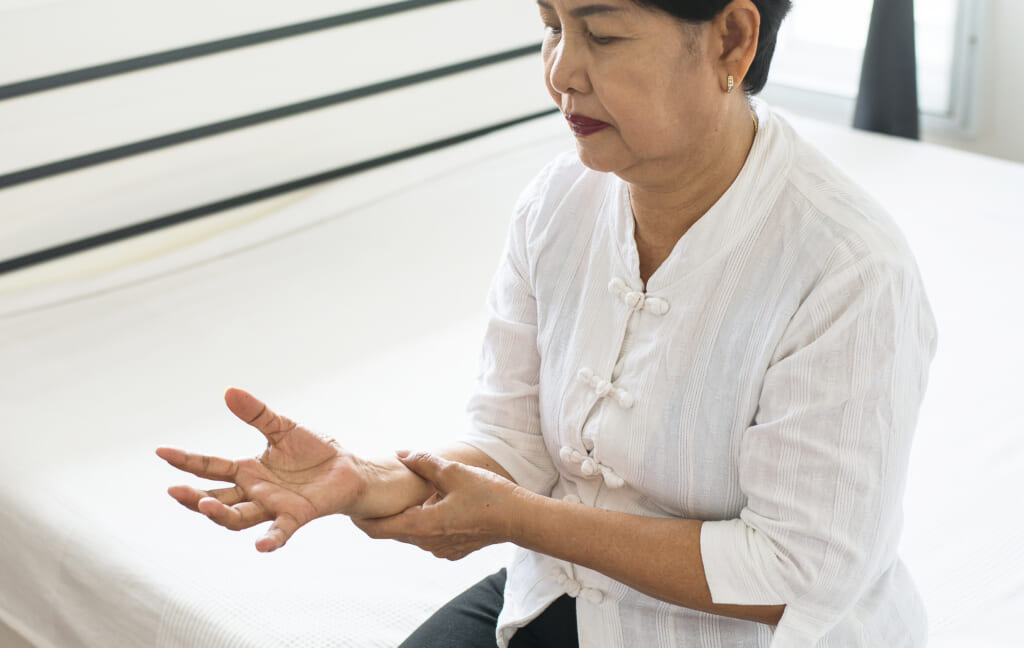
The idea that "Parkinson's disease is incurable" is now an outdated image. Thanks to advances in medicine, Parkinson's disease is becoming a disease that can be managed properly, allowing people to live out their natural lifespan. However, because it is a disease that people live with for a long time, it is also true that concerns such as changes in the effectiveness of medication and side effects due to long-term medication are endless
This article explains the potential of regenerative medicine, which has emerged as a third treatment option in addition to current drug therapies and rehabilitation
table of contents
Is Parkinson's disease even curable?
Unfortunately, in modern medicine, it is still difficult to completely cure (restore) lost nerve cells. However, there is no need to despair. The goal of treatment at present is to control symptoms and maintain the current quality of life (QOL) as much as possible
In fact, with early and appropriate treatment, it is possible to maintain good motor and cognitive functions. Statistically, the prognosis (average life expectancy) for people with Parkinson's disease has improved to a level almost indistinguishable from that of the general population. Instead of giving up on the idea that it is incurable, the first step in treatment is to shift your perspective to "how to live with it effectively." With proper management, it is not only possible to live out one's natural lifespan, but also to enjoy hobbies and travel
Source: National Center for Intractable Diseases Information | Parkinson's Disease (Designated Intractable Disease 6)
Source: Japanese Society of Neurology Guidelines | Parkinson's Disease Treatment Guidelines 2018 "Chapter 2 General Principles of Treatment"
Pillar of treatment 1. Drug therapy (L-dopa, etc.)
The basis of Parkinson's disease treatment is drug therapy. Using L-dopa, which replenishes the dopamine that is deficient in the brain, can be effective immediately after starting treatment, and there may be a period when symptoms improve dramatically. However, as the period of medication lengthens, the duration of the drug's effect shortens, and a "wearing-off phenomenon" may occur where the patient suddenly becomes unable to move before the next dose. This is because L-dopa has a short half-life in the blood, so its effect wears off after 2-3 hours of administration. As the disease progresses further, the nervous system becomes hypersensitive, and many people suffer from dyskinesia, a symptom in which the limbs and body move involuntarily, regardless of one's will
To address these challenges, doctors carefully adjust the dosage and type of medication, but controlling the combination of multiple drugs can be very delicate and burdensome
Source: National Center for Intractable Diseases | Parkinson's Disease (Designated Intractable Disease 6)
Pillar of treatment 2. Rehabilitation including exercise therapy
In addition to drug therapy and surgery, we strongly recommend rehabilitation, including exercise therapy. Because this disease progresses gradually, engaging in appropriate exercise therapy according to the severity and symptoms will lead to improvement and maintenance of symptoms
However, a key characteristic of rehabilitation is that it is a treatment that the individual takes the lead in. Unlike medication, which works simply by taking it, rehabilitation requires the individual to move their body themselves. Therefore, the individual's motivation—whether they can continue it enjoyably and maintain their motivation—and the supportive environment around them greatly influence its effectiveness. In addition, non-motor symptoms such as pain, fatigue, and depressive symptoms can hinder rehabilitation. By consulting with family and doctors, removing inhibiting factors and creating an environment where rehabilitation can be continued without strain is essential to protecting future activity levels
Setting your own goals, such as "going on a trip" or "continuing a hobby," is key to staying motivated. Work together with your doctor and therapist, taking your time and going at your own pace
Sources: Japanese Society of Neurology Guidelines | Parkinson's Disease Treatment Guidelines 2018 "Chapter 4 Non-Pharmacological Therapy"
; The Japanese Journal of Rehabilitation Medicine | Rehabilitation for Parkinson's Disease
Pillar of treatment 3. Regenerative medicine (stem cell therapy) aimed at inhibiting progression and repairing the disease
While standard treatments (medication and rehabilitation) are symptomatic treatments that compensate for deficiencies or allow the body to adapt, regenerative medicine aims for protection and repair at the cellular level. In this treatment, stem cells cultured from the patient's own fat, etc., or culture supernatant (a liquid containing cytokines) are administered into the body. These components are expected to suppress inflammation that causes neurodegeneration in the brain and release neurotrophic factors, thereby protecting remaining dopamine nerve cells and slowing the progression of the disease itself
For those who are worried about the increasing number of medications they are taking or who are suffering from side effects, treatment methods that utilize the body's own cell repair capabilities may be a viable third treatment option, as they often have fewer side effects and place less strain on the body
Current status of clinical trials using iPS cells
There is also some positive news in the field of regenerative medicine. In April 2025, it was announced that a physician-initiated clinical trial of "Parkinson's disease treatment using iPS cells," conducted by Kyoto University's Center for iPS Cell Research and Application (CiRA) and others, showed promising results in terms of safety and efficacy. This trial, which began in 2018, involved transplanting dopamine nerve cells created from iPS cells into the brain and observing the patients for two years. As a result, no serious side effects were observed, confirming safety, and results were obtained that suggested a trend toward symptom improvement (efficacy). Currently, preparations are underway for manufacturing and sales approval in Japan
While the brain transplant surgery (clinical trial) performed at the university hospital and the stem cell therapy, such as intravenous drips, offered at the clinic differ in method, both demonstrate the potential of regenerative medicine in a broad sense, using the power of cells to save nerves
summary
The primary treatment for Parkinson's disease is medication. However, in today's world, a combination of medication, rehabilitation to maintain physical function, and regenerative medicine as needed can be considered a new strategy for living life to the fullest
Instead of bearing the anxiety about the progression of the disease alone, why not consider exploring new options, such as consulting with a doctor specializing in regenerative medicine?