
Have you ever heard of regenerative medicine?
Many people may not be familiar with this term
Regenerative medicine is a cutting-edge medical technology that is expected to provide new treatments for illnesses and injuries that have not been effectively treated with conventional methods
Here, we will explain what regenerative medicine is, what its effects are, and what diseases it is effective for, as well as its side effects
Regenerative medicine is also said to have cosmetic benefits, so please read to the end to find out more about stem cell therapy
table of contents
1. What is regenerative medicine?
Regenerative medicine is a treatment that maximizes the natural healing power of the body, which is the ability to repair and regenerate that is inherent in humans
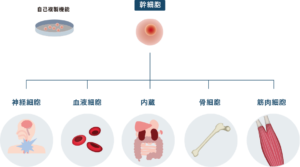
Essential to regenerative medicine are human stem cells. Stem cells are normally inactive in the body, but when other cells are damaged or reduced, they become active and try to act as replacements for those cells
Treatments that utilize such technology can be broadly divided into three types: ES cells, iPS cells, and somatic stem cells, all of which are regenerative medicines that use stem cells
1-1. stem cell therapy
As mentioned above, stem cells are essential for regenerative medicine, and stem cell therapy is one type of regenerative medicine
To explain stem cells in more detail, they are special cells that have both the ability to self-renew and the ability to differentiate. These two abilities allow them to generate new cells and regenerate tissues
Stem cell therapy utilizes this mechanism to repair and regenerate various parts of the body, including damaged organs, blood vessels, and aged skin. It is also expected to be a cutting-edge treatment for diseases and injuries that have not previously had a cure
1-2. Effective for various illnesses and beauty
Regenerative medicine is also effective in treating various diseases and cosmetic purposes
Stem cells can differentiate into various cells, performing many functions such as wound healing, immune regulation, and nerve regeneration, and are said to be effective in treating a wide range of diseases
Examples of diseases include liver damage, knee osteoarthritis, promoting healing of skin injuries, autoimmune diseases, cerebral infarction and spinal cord injury, etc. Skin treatment is a typical example of regenerative medicine that is said to have cosmetic effects
2. Side effects of regenerative medicine
Regenerative medicine is considered a cutting-edge treatment method, andmajor side effects have rarely been reported.However, this does not mean that there is absolutely no risk of side effects.
The most common side effect of stem cell therapy is pain. If the stem cells that are returned to the body enter the joint too quickly, the joint may not be able to withstand the shock, causing pain and swelling in the affected area
Because the patient's cells are cultured and then returned to the body, the cells themselves are not causing any harm, so even if symptoms appear, they usually go away within a few days
3. What can be expected from regenerative medicine and stem cell therapy?
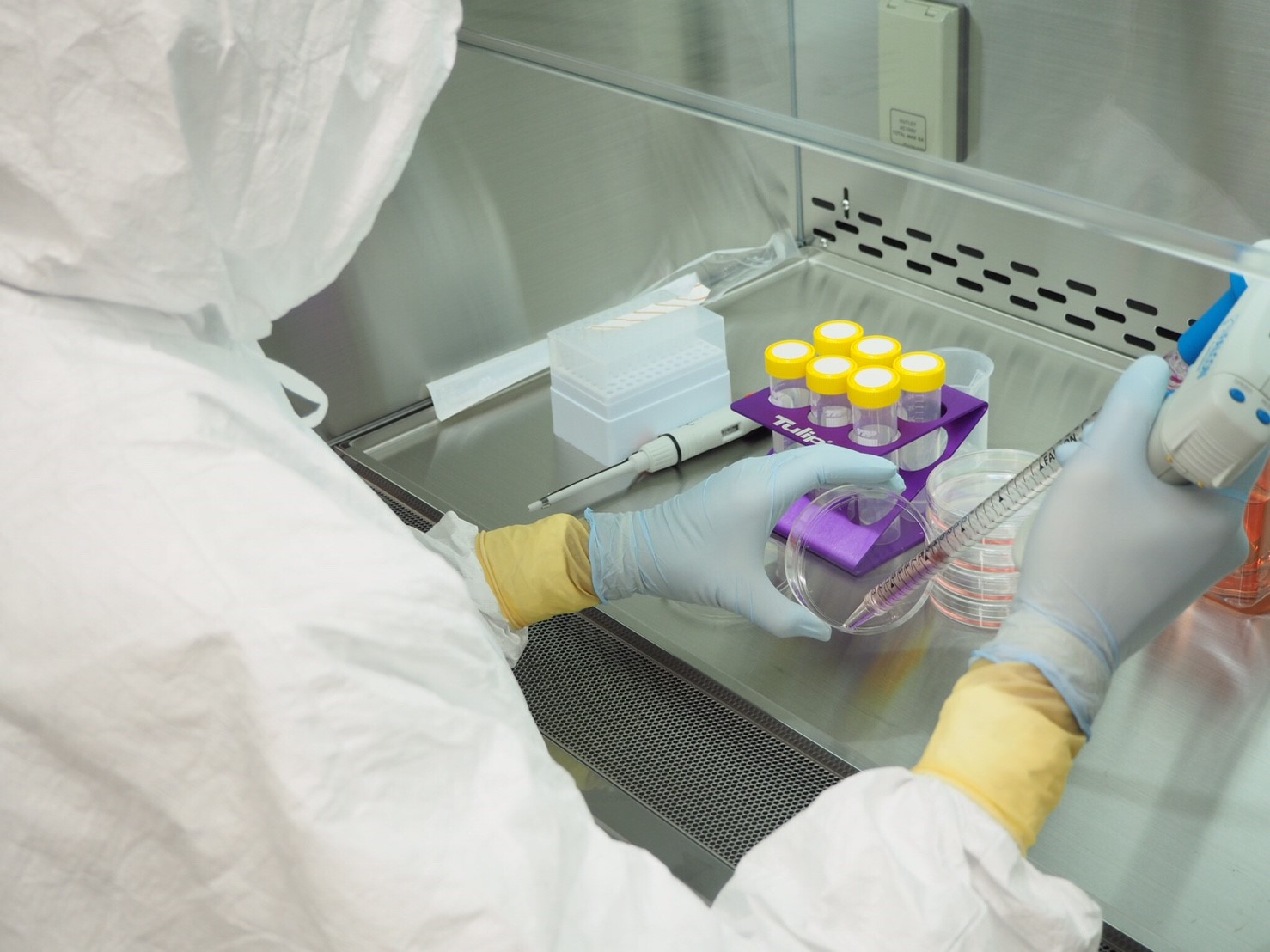
Stem cell culture in action -Omotesando Helene Clinic-
Regenerative medicine and stem cell therapy do not require surgery because they utilize the repair power of the patient's own cells
Therefore, it is expected to be highly effective with minimal burden. Here, we will explain the effects on both medical and beauty-related areas
3-1. Effects on medical care
Stem cell therapy is currently undergoing ongoing research and clinical trials, and the number of diseases for which it is suitable for treatment is gradually increasing. Currently, some of the diseases for which regenerative medicine is suitable are as follows:
- cerebral infarction
- Myocardial infarction
- cerebral infarction
- dementia
- Parkinson's disease
- Osteoarthritis
- Rheumatism
- Diabetes
Such
It is clear that it is effective for a wide range of diseases, including vascular diseases, nervous system diseases, immune diseases, and bone diseases. There are many other diseases for which it is suitable for treatment, and regenerative medicine is expected to be the latest treatment method
It is also expected to have preventative effects, so it is said to be effective in preventing disease and improving overall bodily function
3-2. Beauty-related effects
A typical treatment target of regenerative medicine for beauty is anti-aging of the skin
The three elements that make up human skin are collagen, elastin, and hyaluron, and regenerative medicine activates the cells that produce these, thereby eliminating wrinkles and sagging skin and giving it firmness
By using the patient's own cells, the risk of side effects is reduced and it is an attractive treatment that can give you beautiful skin
4. Advantages and disadvantages of regenerative medicine using stem cells

Regenerative medicine using stem cells has many benefits because it can be expected to have a wide range of effects, but of course it also has disadvantages
When undergoing treatment, be aware of the drawbacks and ensure you undergo the procedure safely
4-1. Benefits of regenerative medicine using stem cells
The benefits of stem cell-based regenerative medicine include:
- It is still used today to treat illnesses and injuries
- Less likely to cause side effects
Another example is regenerative medicine using stem cells, which has attracted attention for its significant benefits, such as leaving no cosmetic or medical scars and having fewer ethical concerns
There is a risk of side effects with any treatment, but the low risk of side effects is a great relief when undergoing regenerative medicine using stem cells
4-2. Disadvantages of stem cell-based regenerative medicine
Stem cell-based regenerative medicine has attracted attention for its significant benefits, but it is important to be aware of the following disadvantages
- It can be expensive
- cannot differentiate into different cell types
Some regenerative medicine using stem cells is covered by insurance, but it is also true that many treatments are still privately administered. Depending on the treatment, it is not uncommon for patients to have to pay high fees
5. Summary: Regenerative medicine using stem cells and other methods has been recognized as effective in medical and cosmetic fields
Regenerative medicine using stem cells and other technologies is a treatment method that has been recognized as effective in both medical and cosmetic fields
Although research and clinical trials are still ongoing, regenerative medicine using stem cells and other methods is currently being used in actual treatments
It is likely to become an increasingly common treatment in the future
We hope that this opportunity will spark your interest in regenerative medicine, and that you will not only gain knowledge about it, but also consider actually undergoing treatment
Knee pain and neuralgia do not go away easily. She has been suffering from illness and beauty for many years. Please feel free to contact us if you have any concerns regarding your daily life.
Omotesando Helene Clinic specializes in regenerative medicine that does not place a burden on the body, and provides pre-counseling for those who cannot immediately start treatment.
"I'm concerned, but I can't decide if I really need preventative measures right now." "I haven't decided whether to get treatment, but I'd like to hear more first." Even in such cases, there's absolutely no problem. You may be at risk of a life-threatening condition without even realizing it, soplease feel free to contact us.
• Inquiry form (LINE, WeChat, email support):https://stemcells.jp/contact/
[Regenerative Medicine Outpatient] 03-3400-2277
Supervision: Dr. Yasushi Tsuda