
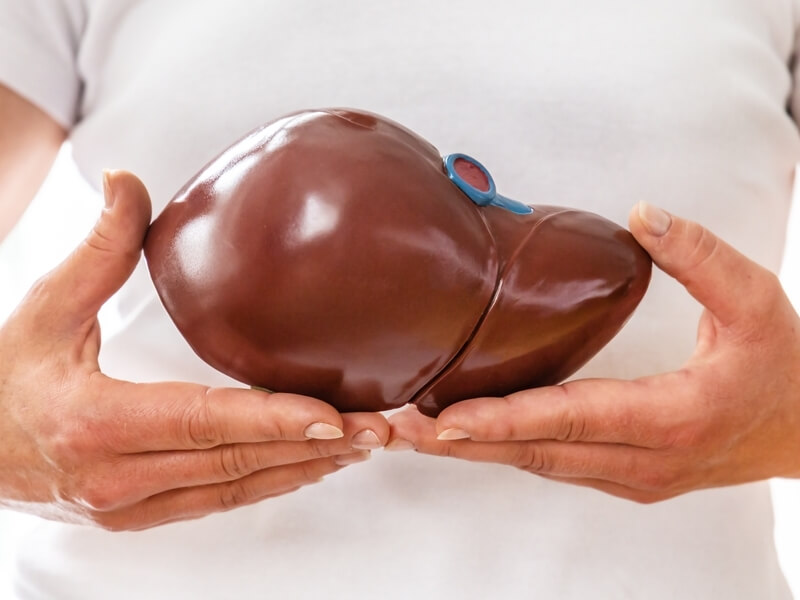
Have you ever been diagnosed with fatty liver disease during a health checkup or medical examination?
When you hear "fatty liver disease," you probably think of "obesity," "overeating and excessive drinking," and "metabolic syndrome." Some women may be surprised to be told they have fatty liver disease even though they are not obese and do not drink alcohol.
Fatty liver is one of the modern diseases that is on the rise due to the Westernization of diet, stress, obesity and lifestyle-related diseases
This article summarizes the diet and exercise you can adopt right now to improve fatty liver, so please read to the end
table of contents
1. What is fatty liver?
Fatty liver disease is a condition in which excess energy that the body cannot use up is converted into triglycerides and stored in the liver, accounting for more than 30% of the total.
Fatty liver disease is more common in middle-aged men, affecting one in three men. In women, it is more common in older women, affecting one in five women.
For women, when they reach menopause, their female hormones decrease rapidly, their bad cholesterol (LDL cholesterol) increases, and their risk of arteriosclerosis and fatty liver increases, so they need to be careful
1-1. Fatty liver is caused by overeating, unhealthy eating habits, and lack of exercise
The following are some of the causes of fatty liver disease:
● Alcoholic fatty liver disease, caused by excessive alcohol consumption
● Non-alcoholic fatty liver disease (NAFLD), caused by lack of exercise
● Fatty liver disease (NAFLD) unrelated to alcohol consumption, caused by overeating or an unhealthy diet
Non-alcoholic steatohepatitis (NASH) is a type of NAFLD that has become a particular problem in recent years
NASH causes hepatitis, and repeated episodes can lead to liver fibrosis, with 5% to 20% of cases leading to cirrhosis or liver cancer, so caution is required. Fatty liver can also be caused by extreme dieting or side effects of drug treatments such as steroids and anti-estrogen drugs
1-2. Main symptoms of fatty liver
Fatty liver disease is almost always asymptomatic. The liver is called a "silent organ" because it rarely feels pain.
If fatty liver disease is left untreated without any noticeable symptoms, there is a significant risk that bad cholesterol (LDL cholesterol) will accumulate in the blood vessels, leading to arteriosclerosis. This also increases the risk of developing angina, myocardial infarction, and cerebrovascular disease.
Fatty liver is often discovered during health checkups and medical examinations, and is rarely noticed in everyday life. If symptoms such as general fatigue, nausea, loss of appetite, weight loss, and jaundice appear, the disease is likely already in an advanced stage and you should see a doctor
2. Diet and exercise are effective in improving fatty liver
There is no cure for fatty liver, so to improve it, you need to review your diet and lifestyle
By reviewing your diet and improving your lifestyle, you can prevent diseases other than fatty liver, so be sure to actively incorporate these into your diet as much as possible
2-1. Dietary therapy effective in improving fatty liver
Improving your diet requires being mindful of "what you eat" and "whether there are any substitutes."
For immediate measures to improve fatty liver, please refer to the following:
● Try switching from juice to tea
● Reduce the amount and frequency of eating greasy foods and sweets
● Avoid fatty parts of meat
The ideal meal would be a Japanese set meal with a main dish, side dish, and staple food
2-2. Exercise therapy effective in improving fatty liver
For fatty liver disease, a combination of strength training and more than 20 minutes of aerobic exercise is said to be effective.
Specifically, taking the stairs instead of the elevator or raising and lowering your heels while brushing your teeth will allow you to use your lower body muscles more efficiently. This is recommended for those who want to increase their basal metabolism and aim for a body that burns fat more easily.
Also, if you commute by train, you can incorporate aerobic exercise into your commute by simply walking one station. Be mindful of exercise and incorporate it into your daily life
3. Dietary tips to improve fatty liver
For fatty liver disease, it's crucial to maintain a balanced diet and reduce the frequency of consuming fatty foods, juices, and sweets.
Here are three points that can help improve fatty liver disease.
3-1. Be careful not to consume too much sugar or fat
There's no problem with consuming carbohydrates and fats in moderation.
Fruits have a strong image of being "good for you" and "rich in vitamins." However, fruits contain a lot of fructose.
The recommended daily intake of fruit for a diet for fatty liver is 150g, which is equivalent to the following amounts:
● 1/2 apple
● 1 large kiwi fruit
● 10 grapes
Just as "too much medicine can be poisonous," eating too much fruit will turn it into triglycerides
Also, moderate intake of fats plays a role in maintaining the body's regulatory functions, so omitting them altogether is also a problem. To avoid excessive intake of fats, try using less oil and adopting cooking methods such as boiling or steaming
3-2. Be careful about alcohol intake
Drinking alcohol in moderation is not a problem, but people diagnosed with alcoholic fatty liver disease should abstain from alcohol
Also, high-sugar and high-fat snacks such as fried chicken, pizza, and cheese are strictly prohibited. Choose low-calorie, low-sodium options such as sashimi, chilled tofu, and edamame.
The recommended daily amount of alcohol is as follows:
● Beer: 1 medium bottle
● Shochu: 1/2 go (approx. 180ml)
● Sake: 1 go
(approx. 180ml) ● Wine: 2 glasses
● Whiskey: 2 single shots
3-3. A diet that includes adequate amounts of protein and catechins is also effective
For people with fatty liver disease, a moderate amount of high-quality protein is essential for their diet.
The recommended daily intake of protein is said to be the following: ● 1 chicken egg
● 80g fish (one piece)
● 40-80g meat (lean cuts)
● 1/3 block tofu
● 200g milk
Additionally, catechins contained in green tea are also effective against fatty liver
The large amounts of active oxygen generated by stress, smoking, excessive drinking, etc. are called oxidative stress and damage liver cells. Catechin has been shown to reduce this oxidative stress and is also effective against fatty liver
4. Positive effects of improving fatty liver
Eating a balanced diet and exercising will not only improve fatty liver, but also have other health benefits such as preventing metabolic syndrome, helping with weight loss, and reducing bad cholesterol (LDL cholesterol)
In addition, regular moderate exercise increases the beneficial substance adiponectin, which lowers triglycerides and is effective in increasing good cholesterol (HDL cholesterol)
As a result, positive effects such as the prevention and improvement of arteriosclerosis, high blood pressure, diabetes, and cancer can be achieved
5. Summary: To improve fatty liver, focus on diet and exercise therapy
There is no cure for fatty liver, so the most important thing is to review your lifestyle habits
However, it's difficult to suddenly change your current lifestyle, and if you don't consciously improve your lifestyle, fatty liver disease will progress rapidly and could lead to irreversible consequences.
Ideally, you should be able to improve both your diet and exercise, but realistically, that's not always possible. If that's the case, try starting with small, easy improvements, such as switching from juice or coffee to green tea.
Pay attention to your diet and exercise, and incorporate them into your daily life to improve your fatty liver
Supervision: Dr. Yasushi Tsuda