
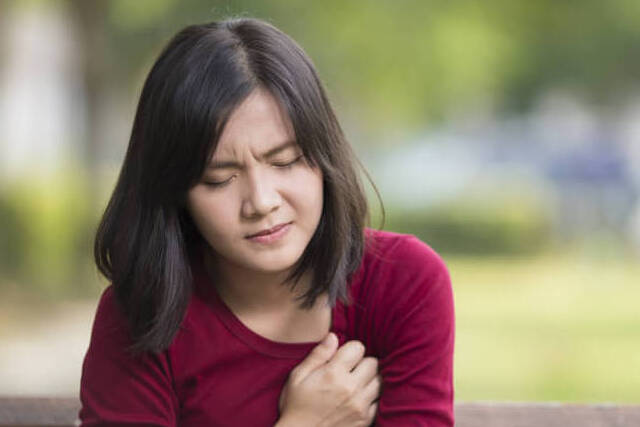
I suddenly started feeling chest pain, even though I have no idea what it is...why?
Chest pain can have a variety of possible causes depending on the type, severity, location, frequency, etc. Some cases require early treatment, so be careful.
In this article, we will introduce diseases that may be the cause of chest pain
If you are suffering from chest pain, please check this out as an opportunity to face your symptoms
There is a possibility that it may be too late to treat the disease, so we hope that this will help with early detection
table of contents
1. Types of chest pain
Although it is often said that one has chest pain, the symptoms of chest pain cannot be generalized
In order to deduce the cause of your chest pain, it is important to be able to explain what type of pain your symptoms fall into
Let's take a moment to review your symptoms and see what kind of pain it is and where it hurts
What kind of pain is it?
stabbing pain
Dull pain
Pressure-like pain
-Squeezing pain
Where does it hurt?
・Left chest
・Pronotum
・Back
Radiates to the neck and shoulders
Local
- Always hurts in the same place
How long does it last?
・Momentary
・A few minutes
-Several hours or more
When does it hurt?
When moving
・At rest
When changing positions
・Relationship with breathing
・Relationship with food
Are there any other symptoms?
・Difficulty breathing
Fever
·cold sweat
·nausea
·vomiting
2. Possible illnesses based on chest pain

There are many organs around the chest, including the lungs, pleura, heart, nerves, muscles, and bones, so there are a variety of symptoms and possible diseases that can cause chest pain
Below are some common symptoms of chest pain:
Compare this to your own symptoms
Heart or blood vessel disease
Among the symptoms of sudden chest pain, this is classified as a highly urgent illness. It can be life-threatening, so caution is required
- Ischemic heart disease such as angina pectoris and myocardial infarction
Angina and myocardial infarction are diseases caused by blockage of the coronary arteries of the heart
Angina pectoris refers to a condition in which a coronary artery is pinched, and myocardial infarction refers to a condition in which a coronary artery is blocked
The warning signs include a tightness or pressure in the chest, but these go away if you rest, so many people leave it untreated
If you experience a strong, oppressive pain even once, you should suspect angina or myocardial infarction and consult a doctor
- Aortic dissection
Aortic dissection is a condition in which the wall of the aorta tears, causing blood to flow in a different direction than normal
It is said that the disease is more likely to occur in winter, and care must be taken to avoid sudden temperature changes
Most symptoms include sudden chest pain or back pain, but if there is damage to the part connected to the brain, it can also cause loss of consciousness or fainting
Lung and pleural diseases
There are no pain nerves in the lungs themselves, so it is possible that the pain reflects pain related to the pleura
·pneumothorax
Pneumothorax is a condition in which air leaks from the lungs for some reason, causing the lungs to collapse and collapse
It is accompanied by sudden, persistent chest pain and difficulty breathing
It is more common in tall, thin young men, but can also be seen in middle-aged and elderly people suffering from respiratory diseases such as emphysema and bullae (emphysematous cysts)
・pleurisy/empyema
This is a bacterial infection that causes pus to accumulate in the pleural cavity, the space that contains the lungs
It causes difficulty breathing, coughing, fever and chills
It is characterized by a stabbing pain that worsens with coughing or deep breathing
Nerve, muscle, and bone diseases
・Rib fracture
Ribs can crack or break due to trauma, excessive exercise, or repeated severe coughing or sneezing. Pain increases when taking a deep breath, coughing, or pressing on the rib, but in many cases the pain is minimal and the rib heals naturally
However, if a rib fracture is left untreated, there is a risk of internal organ damage, leading to pulmonary contusion, pneumothorax, etc. If you suspect a rib fracture, you should visit a hospital.
・Intercostal neuralgia ・Shingles
Intercostal neuralgia is a condition in which pain occurs in the nerves that run along the ribs
The pain is very severe and occurs on only one side of the upper body
It is often caused by muscular or skeletal issues such as fractures or sprains, but the most common cause is shingles
Malignant tumors
If the tumor spreads to the chest wall or nerves in the chest, chest pain may occur
The pain is constant and gradually increases
Digestive disorders
・reflux esophagitis
Gastroesophageal reflux disease is a condition in which stomach acid flows back up into the esophagus
If stomach acid remains in the esophagus for a long time, it can cause inflammation of the lining of the esophagus, resulting in chest pain
Other illnesses
Chest pain can also occur in conditions such as acute pancreatitis and gallbladder disease, which are primarily caused by diet
Psychogenic symptoms
Cardiac neurosis
If you experience chest pain but no abnormalities are found after testing, you may be suspected of having a mental illness called cardiac neurosis. Chest pain occurs when you are under mental stress, and is characterized by throbbing or tingling pain
3. Which department should I visit if I have chest pain?
・Strong pain or pressure in the entire chest... cardiology, cardiovascular surgery
・Chest pain and shortness of breath... Respiratory medicine
・Pain inside the sternum or in the solar plexus... Internal medicine
・Rib pain... Orthopedics
If you experience symptoms such as strong chest pain or pressure, loss of consciousness, dizziness, or lightheadedness, it is likely that your condition is urgent and you should visit an emergency hospital immediately
4. [Summary] What to do if you suddenly experience chest pain?
In this article, we have introduced some diseases that may be the cause of chest pain
・Knowing the type of chest pain you have will help you understand the cause
- There are various possible causes, including heart, lung, nerve, muscle, bone, fire extinguisher, and psychological
If you experience severe chest pain or pressure, see a doctor immediately
If you think you may be experiencing chest pain, visit a medical institution and have a doctor examine you and examine you
・Inquiry form (LINE, WeChat, email): https://stemcells.jp/contact/
[Regenerative Medicine Outpatient] 03-3400-2277
Supervision: Dr. Yasushi Tsuda