

To achieve a long and healthy life, exercise is essential to prevent lifestyle-related diseases
Moderate exercise helps maintain basic physical strength, relieve stress, and improve immunity, supporting a healthy life both physically and mentally in old age
This article explains why seniors should exercise and what exercises can help prevent lifestyle-related diseases and frailty. We hope this article will help seniors and their families overcome their lack of exercise
table of contents
Why older people should exercise
Exercise has many benefits for older adults
・Maintaining basic physical strength
The age-related loss of muscle strength is called sarcopenia
As muscle weakness progresses, it becomes easier to stumble, increasing the risk of fractures and falls. In addition, actions such as walking and standing up become difficult, and your ability to move around will gradually decline
To prevent this from happening, it is important to be active on a regular basis and work to maintain muscle strength and bone density
・Stress relief
The state in which physical and mental vitality declines with age is called "frailty," and if this state continues, it is said that the risk of becoming dependent on care increases
Frailty refers to a weakening of not only the body but also the mind, which shows the importance of stabilizing one's mental state
Exercise not only promotes blood flow and helps prevent illness, but it also helps relieve stress and stabilize the mind. It also has the benefit of making you feel more confident about your physical strength and physique, helping to improve your quality of life
・Prevention of cognitive decline
The brain and muscles stimulate each other, and exercise has been shown to help prevent cognitive decline
In addition, since blood flow is reduced in the brains of elderly people and Alzheimer's patients, it is said that moving the body to improve blood flow is effective
The best exercise for preventing dementia is aerobic exercise such as strolling or walking. Try to incorporate a reasonable exercise habit
・Improved immunity
Your immune system peaks between the ages of 10 and 20, and then declines as you get older
Walking and jogging are recommended exercises to maintain your immune system. By improving your cardiopulmonary function, you can prevent colds and other infections
・Prevention of lifestyle-related diseases
As our body functions decline with age, we become more susceptible to lifestyle-related diseases such as diabetes, high blood pressure, dyslipidemia, and metabolic syndrome
Moderate exercise has been shown to help prevent and improve these diseases, and is expected to improve blood pressure, blood sugar levels, and lipid metabolism
Exercise to prevent lifestyle-related diseases
To prevent lifestyle-related diseases, it is said that it is good to habitually engage in moderate-intensity exercise that makes you slightly out of breath
Ideally, exercise should be at least 30 minutes long, at least twice a week. Incorporate exercise that is appropriate for your physical condition based on your age and physical ability
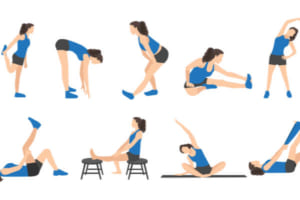
Stretching and exercises
Stretching and exercises can be expected to improve muscle flexibility and joint movement. Keeping muscles and joints flexible can help prevent fractures caused by falls
・Walking or strolling
Walking can help prevent muscle loss, strengthen bones, and have a relaxing effect. Start by walking around your neighborhood, and gradually increase the distance as you get used to it
・Strengthen your core
Core training prevents the weakening of core muscles, improving posture, walking ability, and daily activities
- Maintaining lower limb function
As people get older, the decline in lower limb function becomes particularly noticeable, so it is important to actively engage in exercise to maintain muscle strength. If walking or strenuous exercise is difficult, try incorporating training that can be done while sitting in a chair
Exercises to prevent frailty
Frailty refers to a condition in which three of the following five criteria apply: weight loss, fatigue, slow walking speed, reduced grip strength, and reduced physical activity
One of the causes of frailty is said to be lack of exercise, but it can be prevented to some extent by doing strength training, aerobic exercise, and stretching
Exercise that feels comfortable to somewhat strenuous is appropriate, and it is recommended to carry out exercise according to age and physical ability
In addition, improved blood flow through exercise can also lead to increased appetite and a more stable mood
・Aerobic exercise (walking, stretching, swimming, walking in water)
It improves lung function, strength and endurance
Stretching
Increases muscle flexibility and improves joint movement
Strength training
Prevents loss of muscle mass and strength
・Balance training
Improves balance and prevents a decrease in walking speed and falls
Summary of exercise for the elderly
In this article, we have introduced exercise for the elderly
・Exercise helps maintain basal metabolism, relieve stress, and improve immunity
・Exercise prevents cognitive decline and lifestyle-related diseases
・Moderate-intensity exercise that makes you breathe a little is effective for lifestyle-related diseases
・Exercise that feels uncomfortable to a moderate level is effective in preventing frailty
Actively incorporate moderate exercise into your daily life to help you live a long and healthy life
Supervision: Dr. Yasushi Tsuda