
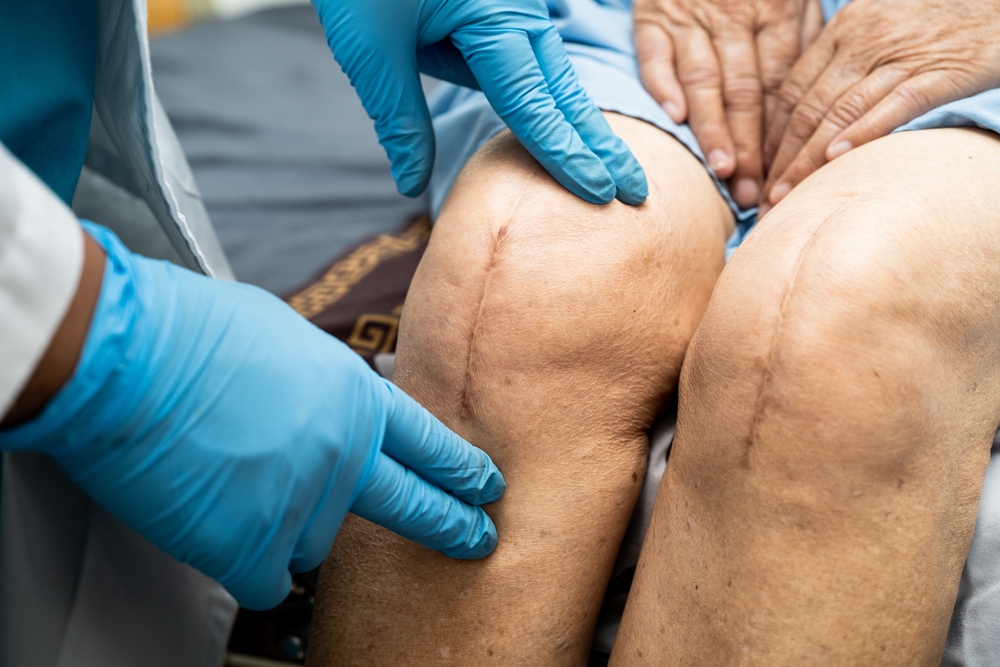
If you suffer from knee pain, have you noticed that hyaluronic acid injections are no longer effective?
Hyaluronic acid is an excellent ingredient that not only acts as a lubricant for joints, but also calms inflammation and protects cartilage. Because it is a component that is naturally present in joints, many people will have no hesitation in choosing it as a way to deal with knee pain
However, even if you feel the effects at first, it is not uncommon for the effects to fade over time. Many people are worried about whether they should continue receiving injections or whether there are any other options
In this article, we will explain the causes and solutions for when the effectiveness of hyaluronic acid injections decreases. We will also provide specific information on when to reconsider your approach using hyaluronic acid and what to do next, so please refer to it
table of contents
Reasons why hyaluronic acid injections may not work
Hyaluronic acid injections are a widely used treatment to relieve knee pain caused by osteoarthritis and other conditions. However, it is common for the effects to decrease over time and with repeated injections. Let's take a closer look at some of the reasons why
Progression of knee osteoarthritis
As the condition of joints deteriorates over time, deformation puts greater strain on bones and soft tissues, leading to the inflammatory symptoms listed below, making it difficult to achieve results with hyaluronic acid alone
Increased inflammation
Research has shown that hyaluronic acid not only acts as a lubricant for joints, but also has anti-inflammatory properties. This is because it plays a role in suppressing the activity of cells that cause inflammation. However, if the inflammation in the joints becomes more severe, the effects of hyaluronic acid may become relatively weaker
The more severe the inflammation, the more difficult it becomes to deal with the pain with hyaluronic acid alone
weight gain
Gaining weight puts more strain on your knees and can make them weaker than when you were lighter
Increased activity
Excessive exercise or work may change the strain on your knees, making it difficult to feel the effects
Can antibodies develop against hyaluronic acid?
In addition to the above, there is also the theory that "just as medicine becomes less effective when used for a long time, perhaps people develop a resistance to hyaluronic acid."
However, hyaluronic acid is a naturally occurring component found in all parts of the human body, including the skin, eyes, and joints, and is completely different from drugs. Also, there is no clear evidence that "long-term use of hyaluronic acid can lead to tolerance."
It would be more natural to think that the condition of your knee is deteriorating or that it is putting excessive strain on your knee
Time to reconsider hyaluronic acid injections
If the medication stops working, you may experience the following symptoms:
Pain flare-ups
Previously, hyaluronic acid injections would alleviate the pain, but now it feels like the pain isn't being alleviated as much, or I barely feel any effect anymore
Decreased motor function
Hyaluronic acid injections no longer have a positive effect on walking distance or endurance. Activities of daily living have begun to be affected, such as a shorter walking distance and difficulty climbing stairs
The effect lasts for a shorter time
"Previously, one injection would provide relief for a month, but now the pain returns within a week."
If you experience these symptoms, it is possible that the effectiveness of hyaluronic acid injections is declining. This can be due to a variety of factors, including the function of the joint itself, muscle strength, and activity level, but it is best to consider this a sign that your knee condition is deteriorating
Naturally, whether or not to continue hyaluronic acid treatment depends on the doctor's judgment, so it is not a decision that can be made solely by an individual, but be sure to let them know that "I'm not seeing much effect anymore" or "I'm wondering whether to continue hyaluronic acid injections."
In the first place, injections into joints carry certain risks, such as infection. Continuing to receive injections without any significant reduction in pain may provide temporary relief, but it is not a useful treatment
Based on a comprehensive assessment of the actual condition of the knee joint, the degree of improvement in pain, and your complaints, your doctor will be able to make suggestions on whether to add additional treatment methods, change to a different approach, or proceed with open treatment (such as surgery)
Other approaches
The following treatments are performed by continuing hyaluronic acid treatment and using additional approaches in parallel, or by interrupting hyaluronic acid treatment
drug therapy
Treatment is with painkillers and anti-inflammatory drugs
You may be considered for oral or topical use of nonsteroidal anti-inflammatory drugs (NSAIDs), or you may be prescribed painkillers tailored to the severity of your pain
steroid injections
If the inflammation is severe, steroid injections may be administered in the hope of providing short-term relief
Its anti-inflammatory power is stronger than that of hyaluronic acid, so it often works immediately even when the pain is severe
However, just like hyaluronic acid injections, it is important to keep in mind that it cannot be done frequently and that it is not a fundamental solution
rehabilitation
Even if you are not hospitalized, you may be able to receive outpatient rehabilitation while visiting the hospital
In institutions that provide outpatient rehabilitation, rehabilitation may also be an approach of choice
We aim to reduce pain by strengthening the muscles around the knee and improving joint movement, or by using physical therapy (heat and cold therapy and electrical treatment)
Surgery (total knee replacement)
If the condition of the knee joint is poor and the above approaches do not improve motor function or reduce pain, surgery may be recommended
Depending on the condition, various surgical procedures such as osteotomy are available, but in most cases, total knee replacement surgery will be chosen
When an artificial knee joint is surgically installed, the narrowed gap in the knee and the bony protrusions (osteophytes) are replaced with artificial bone, so the knee joint itself is restored to its original state
The disadvantages are that it requires surgery, so hospitalization is required, and patients must endure pain from the surgery for a certain period of time. Since rehabilitation is also required, this treatment is difficult to choose for those who cannot easily stay hospitalized due to work or family commitments
In the first place, this is not an option if you are unable to undergo surgery due to a medical history or other reasons
New treatment method: regenerative medicine
Regenerative medicine is an innovative treatment that utilizes the body's natural repair ability to repair and regenerate damaged tissue. In recent years, it has been attracting attention as a new knee treatment method
Hyaluronic acid has become less effective, but it would be a problem if you just waited for your knee to get worse. If you don't want to undergo surgery, regenerative medicine is another option
PRP (platelet rich plasma) therapy
The injection of plasma containing concentrated platelets extracted from the blood and rich in growth factors is effective in repairing damaged areas and reducing knee pain and inflammation
stem cell therapy
"Stem cells" extracted from adipose tissue and bone marrow are used to promote the regeneration of cartilage and ligaments
Regenerative medicine utilizes the body's natural repair mechanisms by using one's own blood and tissues. By using components derived from one's own body, the risk of allergic reactions is reduced. Another major benefit is that knee joints can be treated without hospitalization or surgery
In particular, stem cell therapy is effective in regenerating cartilage and ligaments, making it a fundamental knee treatment that can be chosen in addition to surgery
summary
Each of these alternative treatments has its own advantages and disadvantages, so it is important to consult with a specialist to determine the best option for you
New treatments are constantly being researched and developed. For the sake of your knee health, keep up with the latest information and expand your knee care options