
What is a normal pulse rate?
My pulse seems to be fast (slow), is that okay?
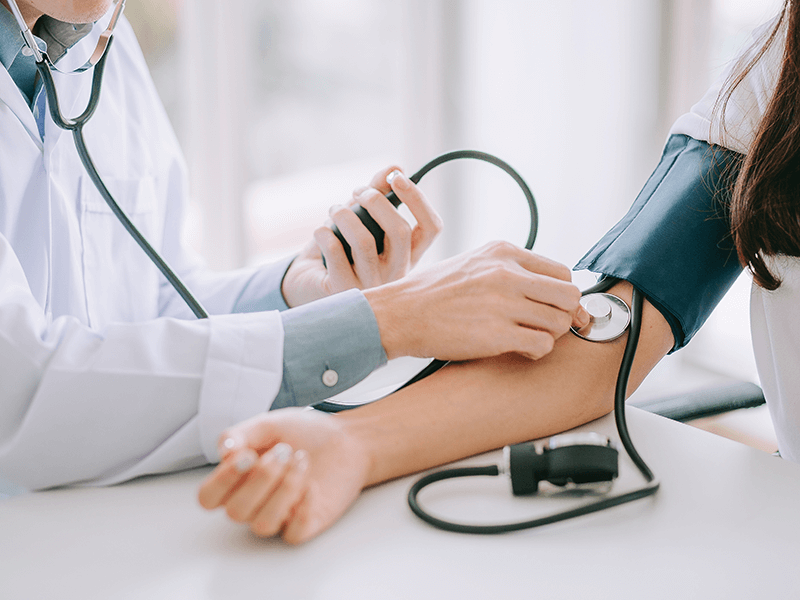
When measuring your blood pressure, your pulse rate is also displayed, but do you know what the normal values are?
Pulse rate is a value that fluctuates depending on daily life and illness
Knowing your normal values can help you detect and prevent abnormalities in your body early
This time, we will explain the normal pulse rate for elderly people and also explain the diseases that may be present when the pulse is fast or slow
table of contents
Normal pulse rate for the elderly
The normal pulse rate for elderly people is considered to be 50 to 60 beats per minute. However, there is no uniform way of writing this in textbooks in Japan, so it is important to think of it as merely a reference value. The so-called "normal" pulse rate varies from person to person. Pulse rates can also easily fluctuate depending on illnesses and medications, so it is important to know your usual pulse rate.
Factors that cause pulse rate fluctuations in the elderly
From here, we will explain in what situations the pulse rate of elderly people may fluctuate from normal values
Increased body temperature
As body temperature rises, the pulse rate increases. When body temperature rises, blood vessels expand. This causes blood pressure to drop, so the heart rate increases to prevent this drop and the body tries to keep blood pressure constant
This mainly occurs when fever is caused by a cold or pneumonia, or when body temperature rises during bathing, causing the pulse rate to increase above normal
There has been research into the relationship between bathing and pulse rate. The study looked at the pulse rates of elderly people in their 60s to 80s before and after bathing. The results of the study confirmed that the pulse rates of elderly people in their 60s and 70s increased after bathing, but that the pulse rates of elderly people in their 80s did not increase after bathing
There have been cases of elderly people dying while bathing. This study suggests that when blood pressure drops during bathing in people aged 80 or older, there is no compensatory increase in pulse rate, making it difficult to maintain a constant blood flow
Massive bleeding
A large amount of bleeding may also cause an increase in pulse rate. If you lose a lot of blood, the amount of blood circulating will be insufficient, causing your blood pressure to drop. To prevent this drop in blood pressure, your body will increase your pulse rate in an attempt to maintain your blood pressure
As people get older, bleeding tends to be harder to stop because they take blood thinning medications or have fewer platelets. As a result, they tend to bleed more than younger people. Even if the wound is not large, if bleeding continues for a long time, it can lead to anemia, so care is needed
Decreased cardiac function
The pulse rate will also increase if the function of the heart itself declines. The heart acts as a pump to send out blood. Therefore, if the heart is unable to properly store blood or expel accumulated blood, the amount of blood the heart pumps per beat will decrease. In this condition, blood pressure will drop, so to prevent this, the pulse rate will increase
Typical diseases include myocardial infarction, heart failure, and valvular disease
The heart's electrical signals are not transmitted properly
The heart functions by electrical signals. The heart has two parts called the "sinoatrial node" and the "atrioventricular node" that send signals to keep the heart functioning properly, and when their function declines, the heart rate slows down. Names of diseases that can cause this include "sick sinus syndrome" and "atrioventricular block."
These conditions may require the implantation of a pacemaker
In addition to illness, medications can also slow your pulse rate. Medications for depression, atrial fibrillation, and blood pressure may cause your pulse to slow below normal
You should also be careful not to take too much medicine, especially if your memory is declining
irregular pulse
This article explains arrhythmia, which is a condition where the pulse is irregular. Even in elderly people, if the pulse is normal, the rhythm will not be disrupted. However, if the pulse beats when it is not supposed to beat, or if the pulse does not beat when it should beat, arrhythmia occurs
The most dangerous arrhythmia is called ventricular fibrillation, which can be fatal in the worst case scenario
Ventricular fibrillation is a condition in which the heart can only quiver slightly and is unable to properly pump blood throughout the body. If this condition continues, it is a dangerous arrhythmia that can be life-threatening. In some cases, ventricular fibrillation makes it difficult to even feel the pulse on the wrist. There are significant changes compared to the normal pulse rate for elderly people. Ventricular fibrillation must be stopped by administering an electric shock using a defibrillator such as an AED
Arrhythmias can be controlled with medication or by using an implantable cardioverter-defibrillator
Summary: If your values are abnormal, consult a specialist
This time, we explained the normal pulse rate for elderly people and the causes of changes in pulse rate
There is no concept of a normal pulse rate; various factors are involved and it varies from person to person. It is important to accurately grasp any changes compared to your normal pulse rate. Factors other than pulse are also important. Blood pressure and body temperature are also important indicators, so they should be checked along with the pulse rate
There is statistical data that shows that if your pulse rate is not normal, the risk of sudden death increases, so we recommend that you see a doctor as soon as possible.
Omotesando Helene Clinic specializes in regenerative medicine that does not place a burden on the body, and provides pre-counseling for those who cannot immediately start treatment.
Fluctuations in pulse rate are also related to lifestyle habits such as obesity, excessive drinking, and smoking, but it is generally said to be difficult to improve lifestyle habits
Therefore, by using "regenerative medicine" that utilizes autologous stem cells, it is possible to use one's own cells to repair weakened cells in the body, and prevent and improve various diseases and complications
"I'm concerned, but I can't decide if prevention is really necessary now." "I haven't decided whether to get treatment, but I'd like to hear more about it first." There's no problem in cases like these. You may be unaware that you're at risk of losing your life, so please feel free to contact us.
・ Inquiry form (email correspondence): https://okusurinabi.com/contact/
[Regenerative Medicine Outpatient] 03-3400-2277
References
・Y. Asakawa, R. Takahashi, and F. Endo. “Cardiovascular responses during bathing in the tub in elderly people.” Physical Therapy Science 21.4 (2006): 433-436.
https://www.jstage.jst.go.jp/article/rika/21/4/21_4_433/_pdf
・Takayuki Watari. “2. Use of vital signs in clinical practice.” Journal of the Japanese Society of Internal Medicine 108.12 (2019): 2460-2466.
https://www.jstage.jst.go.jp/article/naika/108/12/108_2460/_pdf
Supervision: Dr. Yasushi Tsuda