When stem cells are cultured,
they secrete a substance containing over 500 types of proteins.
This secretion
is rich in cytokines, which are signaling molecules that are key to cell activity and
in restoring the function of damaged tissues and cells in the body
play an important role
Because it supports the recovery of cells that have deteriorated due to aging,
this treatment method is expected to have various cosmetic effects.
Growth factors and effects
-
EGF epidermal growth factor
- Prevents and eliminates wrinkles by creating new skin cells
- get a healthy complexion
- Smooth and rejuvenate skin
- Accelerate wound healing by regenerating new skin cells
-
TGF-α transforming growth factor
- Increases skin elasticity by strengthening the structure of collagen and elastin
- Promotes skin growth and promotes wound healing
- Prevents and improves wrinkles by producing new cells
-
TGF-β transforming growth factor
- Prevent aging such as cell differentiation and induction
- Improves skin texture (involves collagen and elastin) and keeps skin youthful
- A factor that repairs without leaving a scar
-
PDGF platelet-derived growth factor
- Promote regeneration of damaged skin cells
- Promotes collagen synthesis and reduces wrinkles
- promote hair growth
-
VEGF vascular endothelial growth factor
- VEGF promotes hair growth by transporting nutrients to hair roots
- Prevents and improves wrinkles by producing new cells
- Gives energy to the skin and improves skin glow
-
IGF-I insulin-like growth factor
- Prevention and elimination of wrinkles by creating new skin cells
- Increase collagen, elastin and hyaluronic acid
- Improves skin feel and burns unwanted fat on the face and body
- Stimulates hair roots and strengthens hair
quality management
, from tissue acceptance to cell culture and
throughout the entire process
is handled under strict control
To ensure high quality,
an operational management system that incorporates a robust quality control framework
we have established
-
in patient cell culture
おける副産物 -
infectious disease and
viral testing -
with the standards for biologically derived raw materials.
raw materials (such as culture media) that comply
Prepared using -
regenerative medicine products.
from the development of technologies for
Technologies developed
At Helene Clinic,
these safe
using
we offer treatments
Potential for culture supernatant treatment
Culture supernatant is
obtained when stem cells, which are present in the human body, are cultured in a culture medium
the supernatant solution
The culture supernatant used for administration
has been sterilized by filtering.
secreted by stem cells
is rich in various cytokines
Cytokines
are proteins secreted by cells that
regulate cell proliferation and differentiation, and
of damaged tissues and cells in the body
an important role in the recovery
play
the culture supernatant is rich in cytokines,
as it supports the recovery of cells that have deteriorated due to aging, etc.
it is expected to have various health and beauty benefits
use human or animal-derived components
does not
reducing the risk of infection.
stem cell extraction
| Target therapist |
In addition, there are selection criteria and exclusion criteria, so please contact the clinic for details. |
|---|---|
| duration of treatment | For intravenous systemic administration (infusion): 40 to 60 minutes |
| Time required for cell administration | 40 to 60 minutes |
| cost | Intravenous systemic administration (infusion): 165,000 yen (tax included) *This treatment is not covered by public medical insurance. |
| Treatment risks and side effects | Hearing loss, dizziness, tinnitus, kidney damage, hypoglycemia, infection, and other side effects (anaphylactic reaction [cold sweat, nausea, vomiting, abdominal pain, difficulty breathing, low blood pressure], pain at the puncture site, internal bleeding, nerve damage). |
skin injury treatment
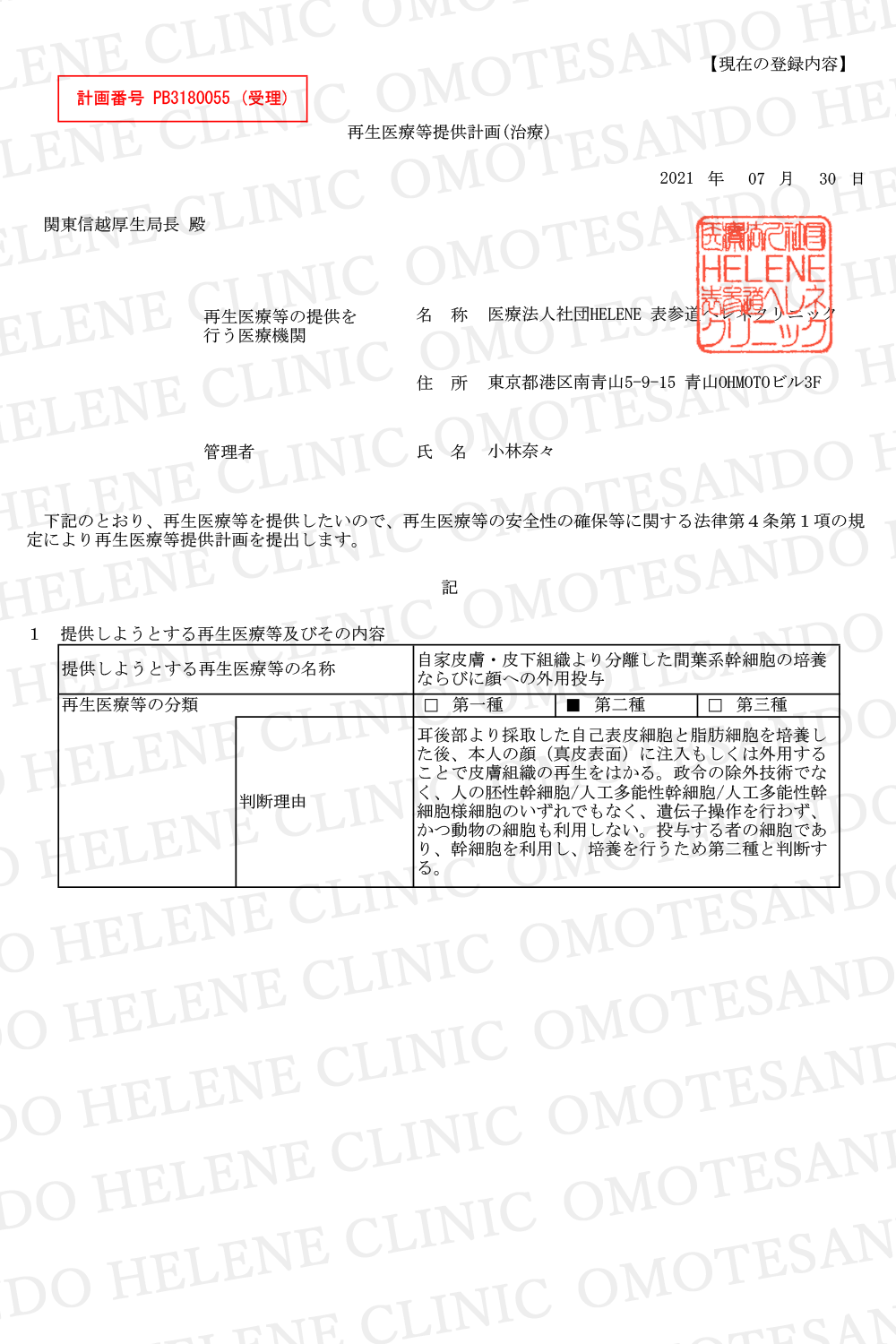
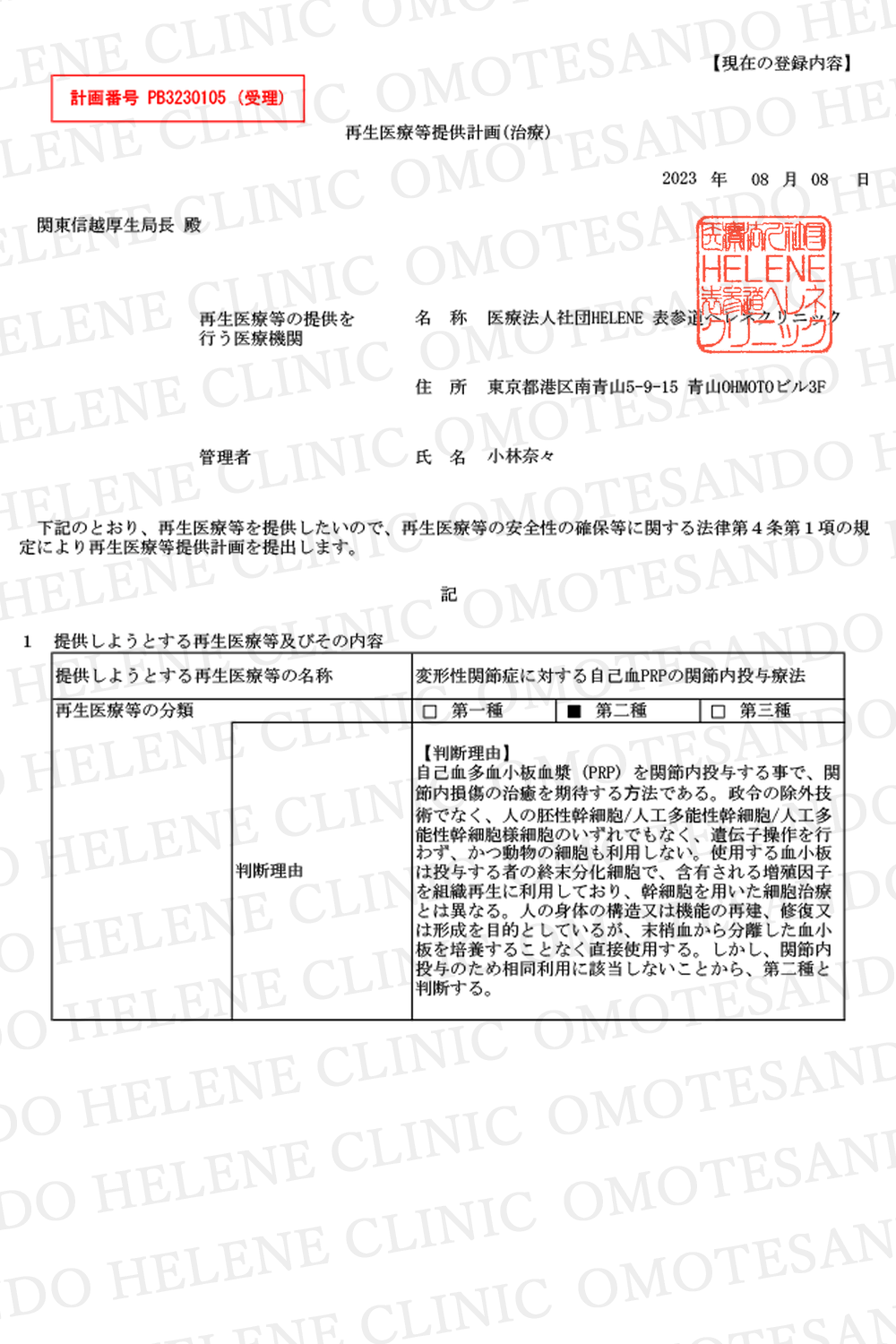
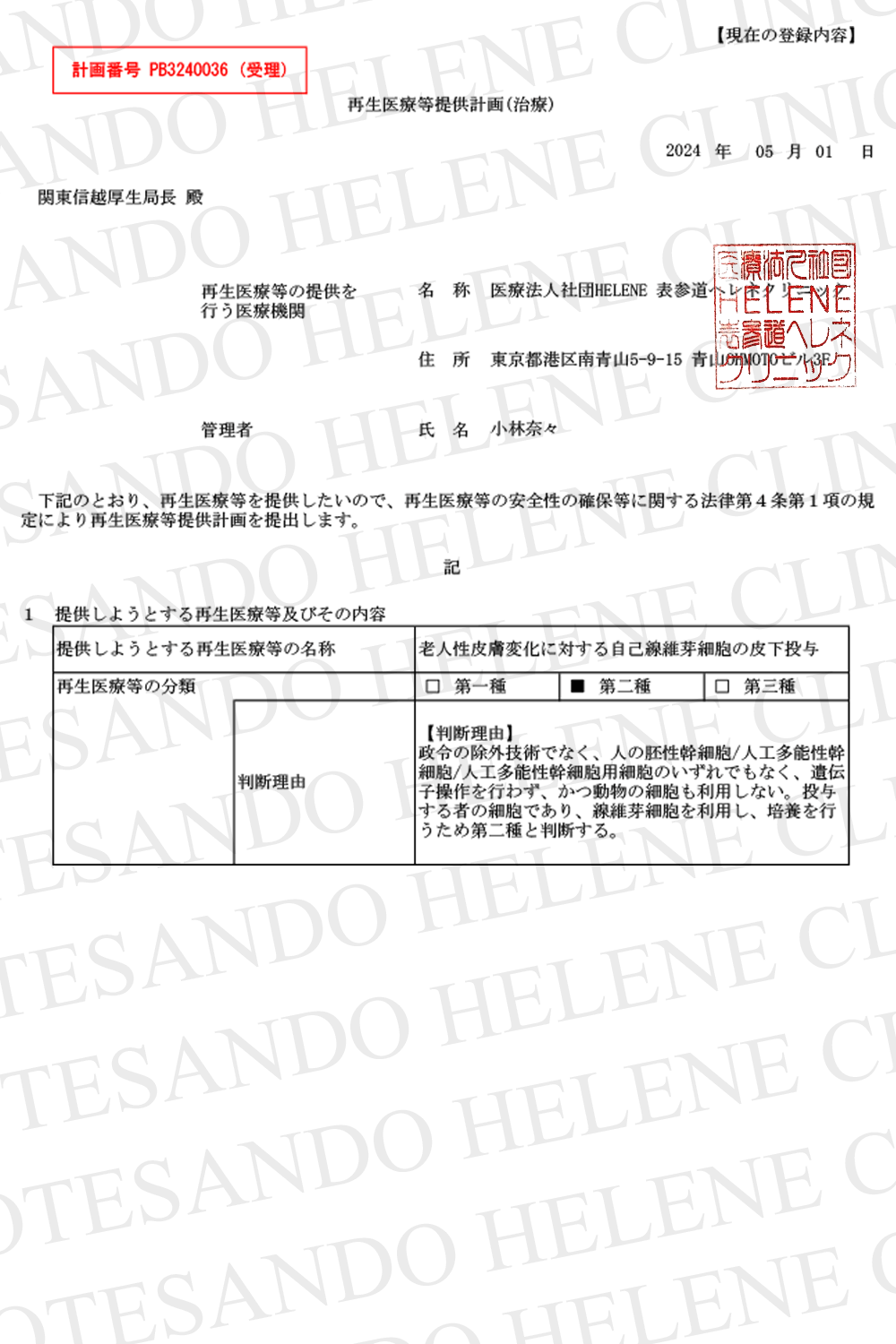
The culture supernatant is injected into the area where you want to see the most significant effect. It is expected that cell division will become more active in the injected area, leading to tissue regeneration.
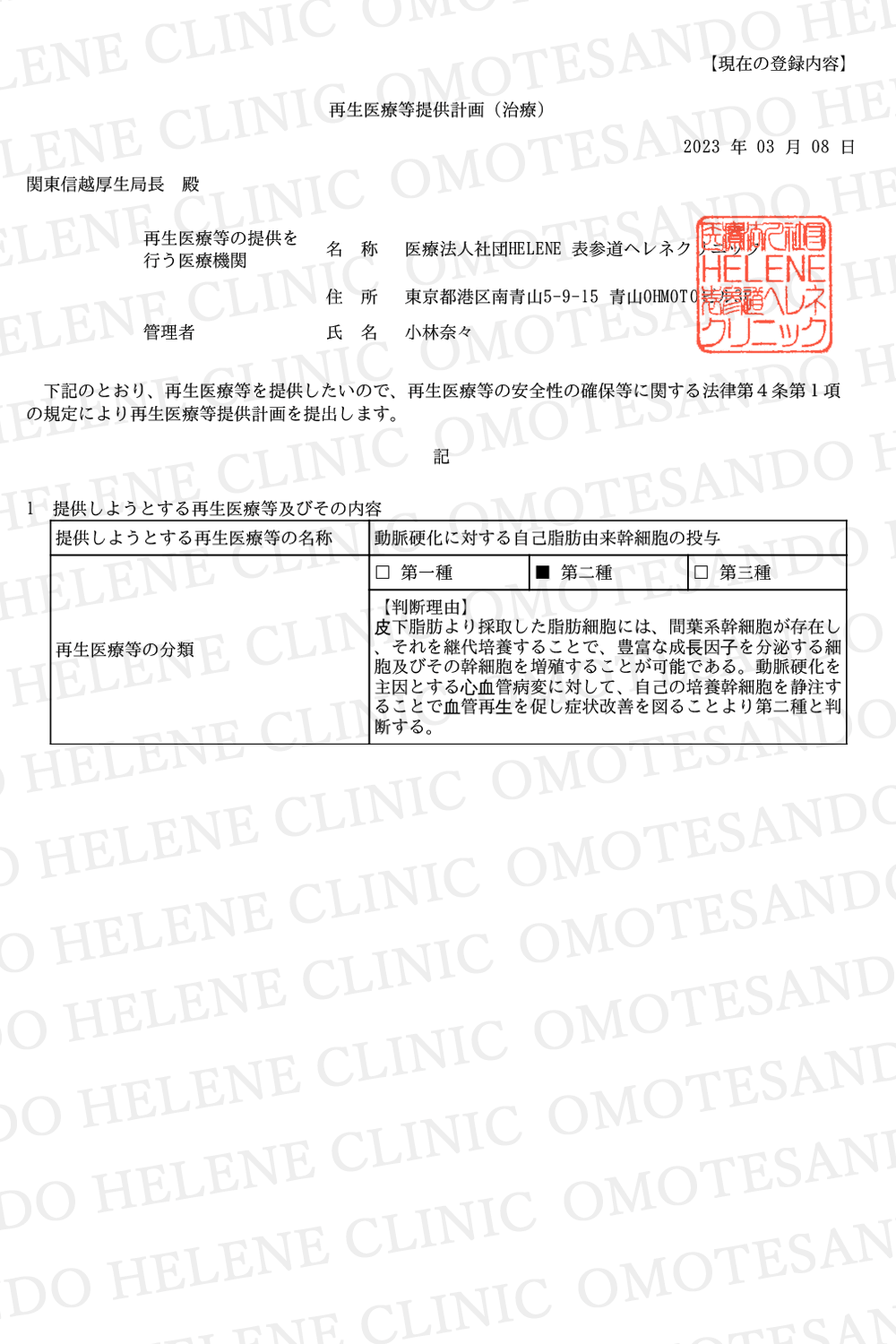
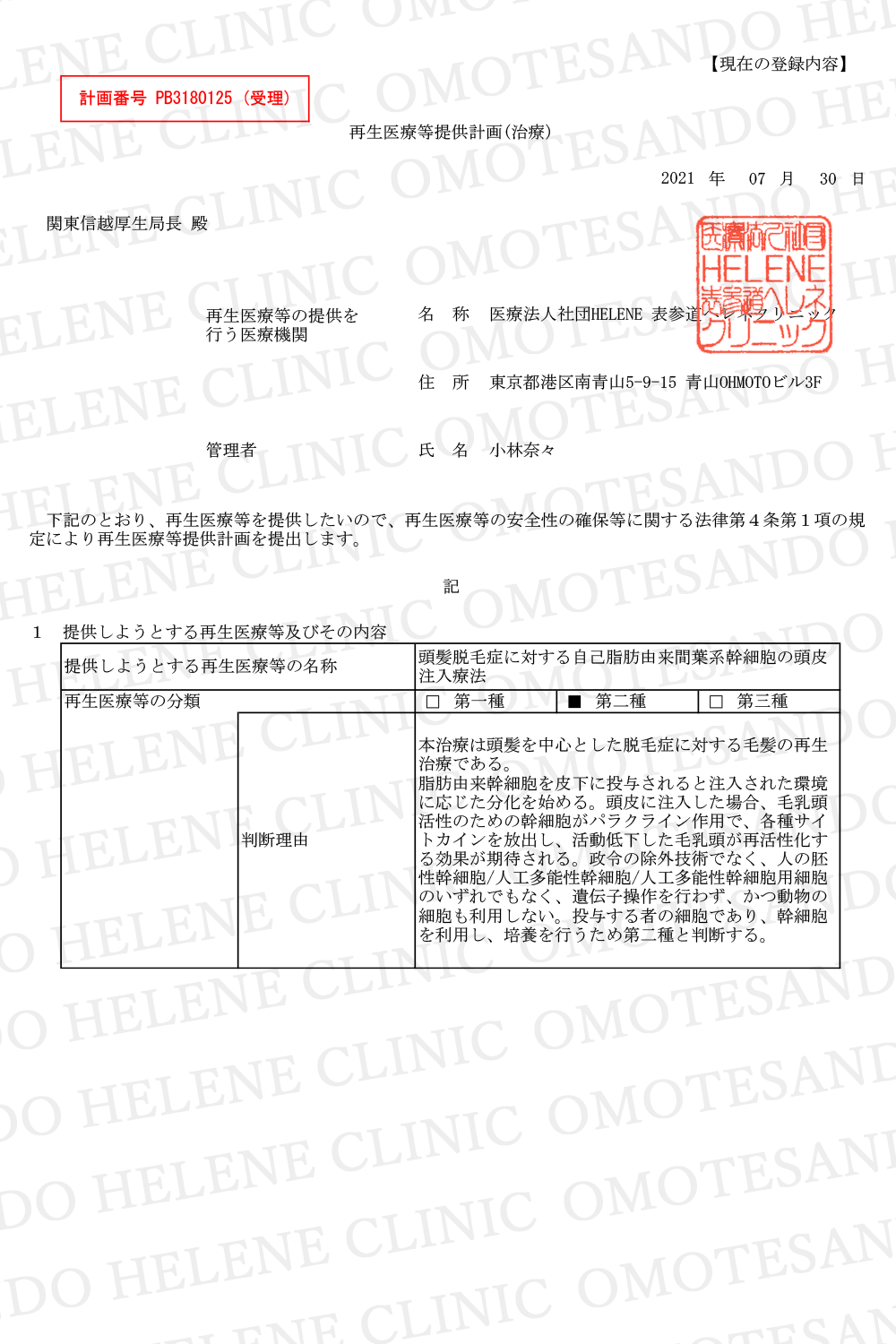
Injecting it subcutaneously into the scalp is expected to enhance hair growth, hair restoration, and the success rate of hair transplants.
Intra-articular/injury pain relief
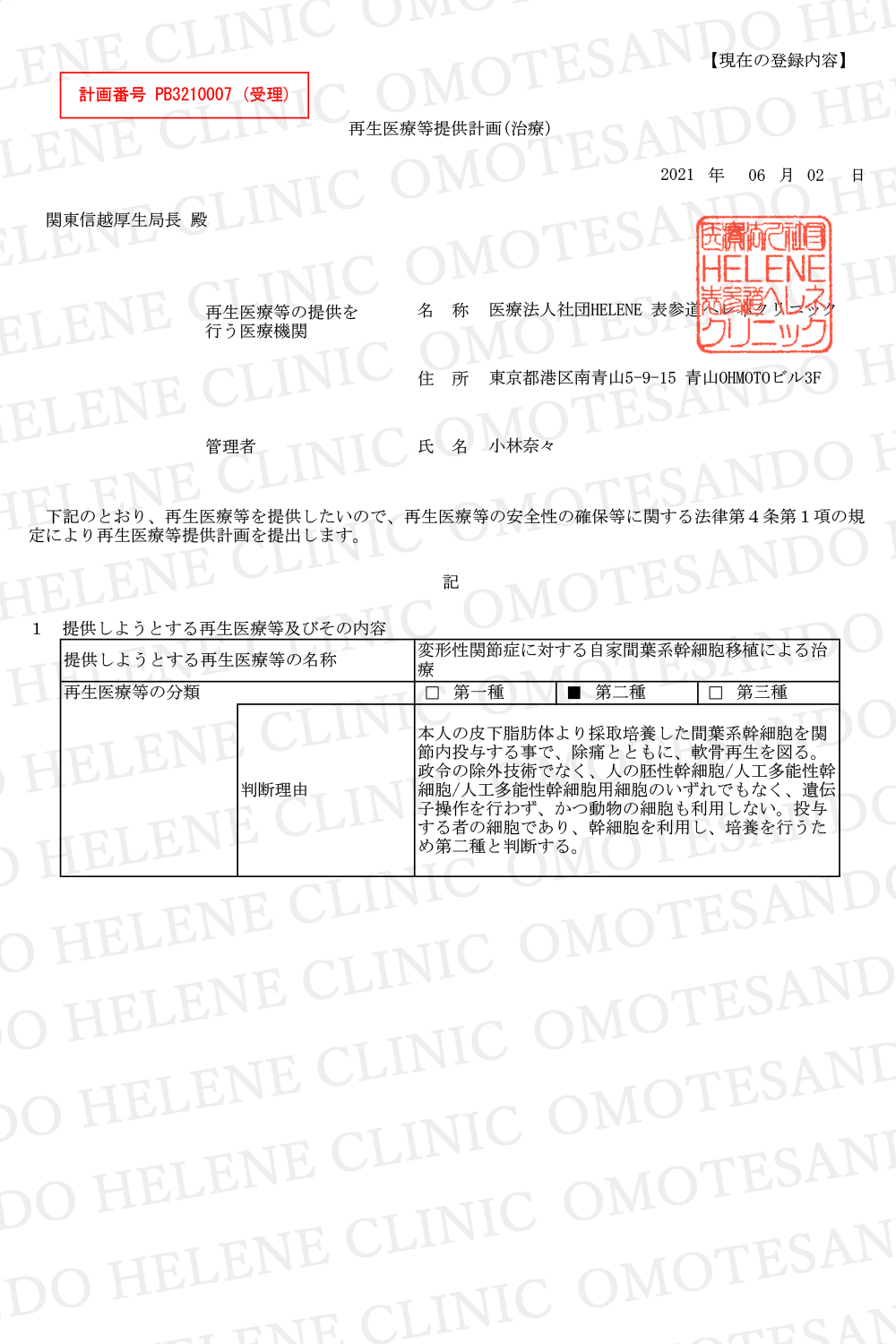
The culture supernatant is injected into the area where you want to see the desired effect. It is expected that cell division will become more active in the injected area, leading to tissue regeneration.
When injected into a joint, it is expected to suppress inflammation such as arthritis and regenerate the periosteum. Various other effects can be expected depending on the injection site.
Prevention of progression of arteriosclerosis and alleviation of chronic pain
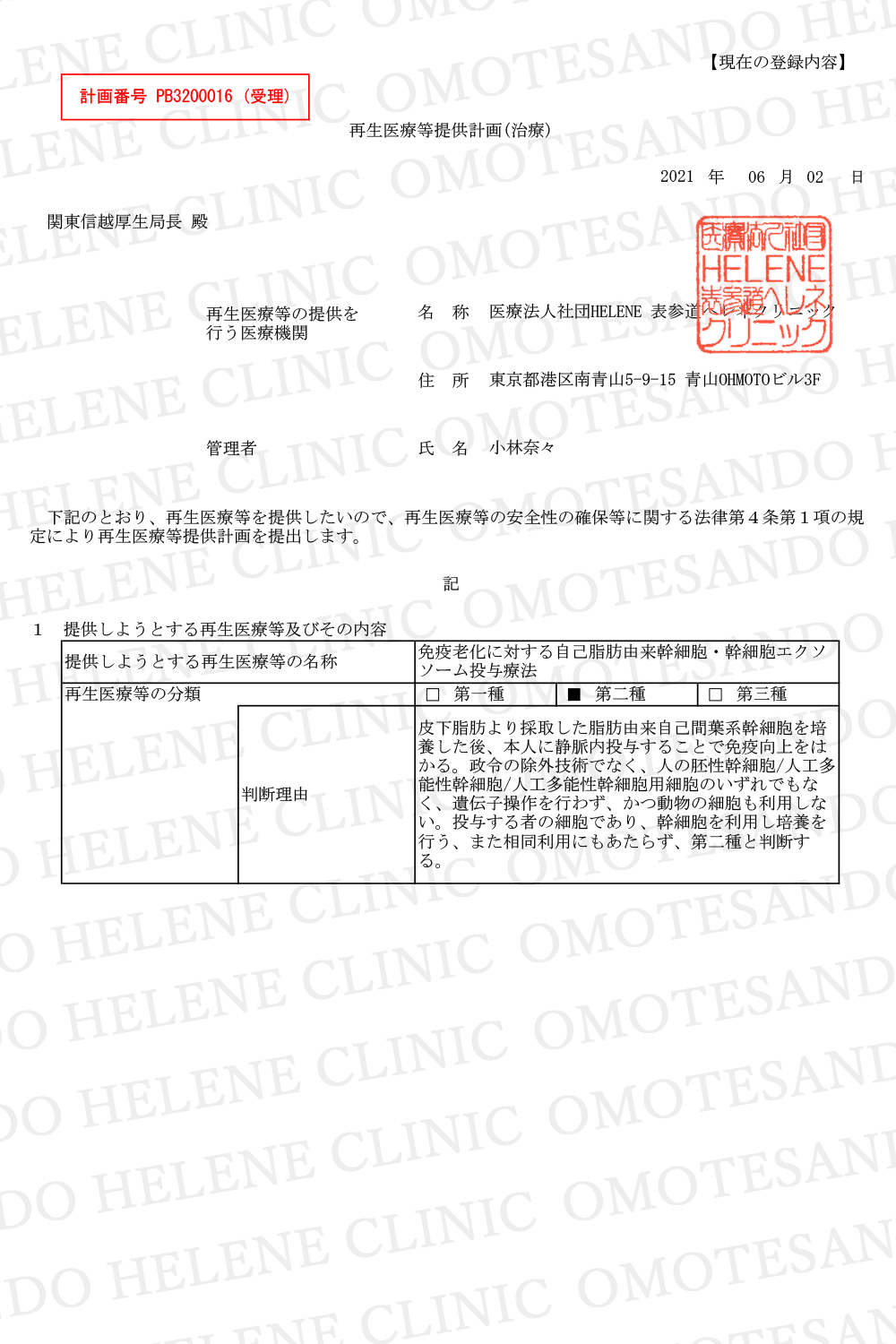
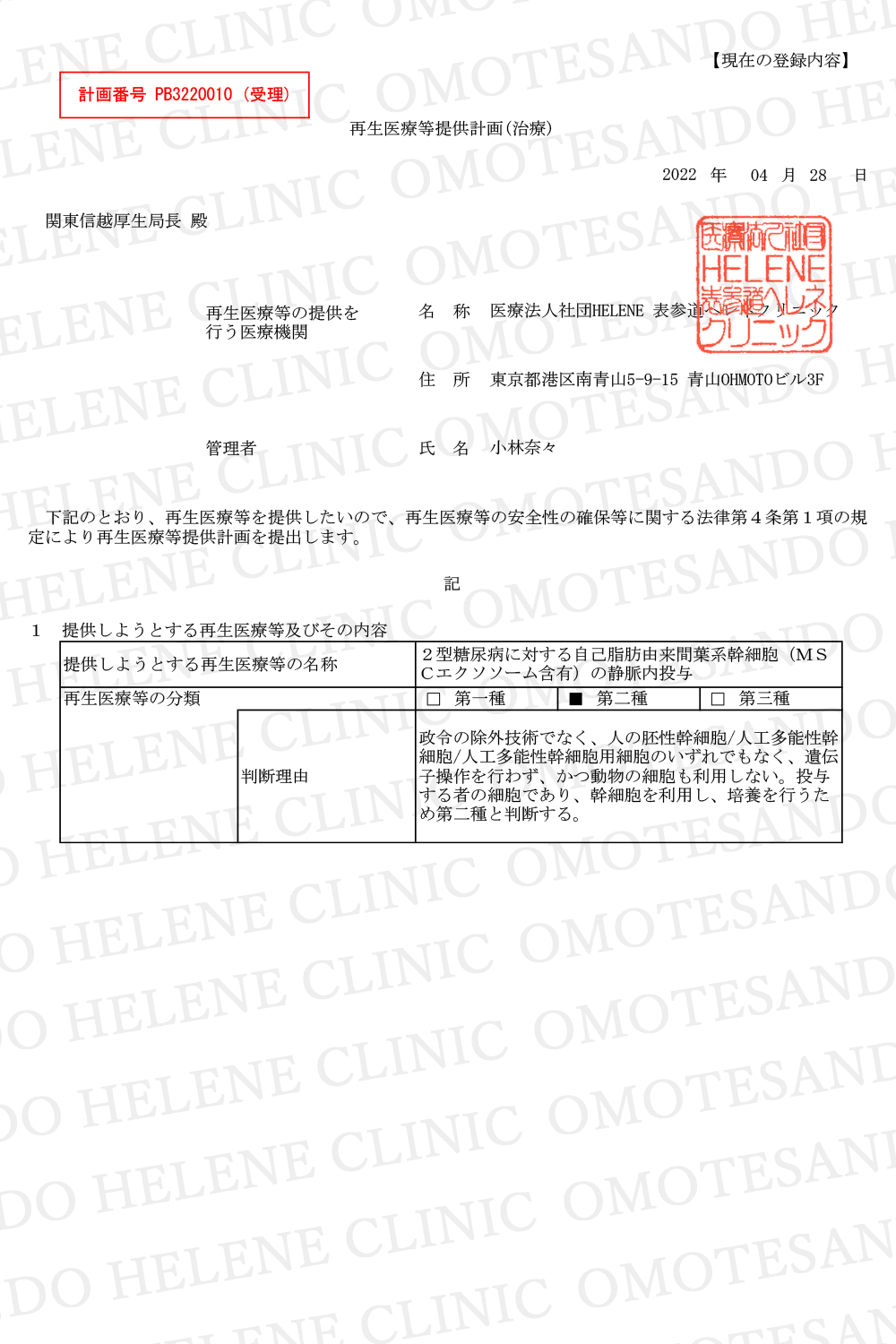
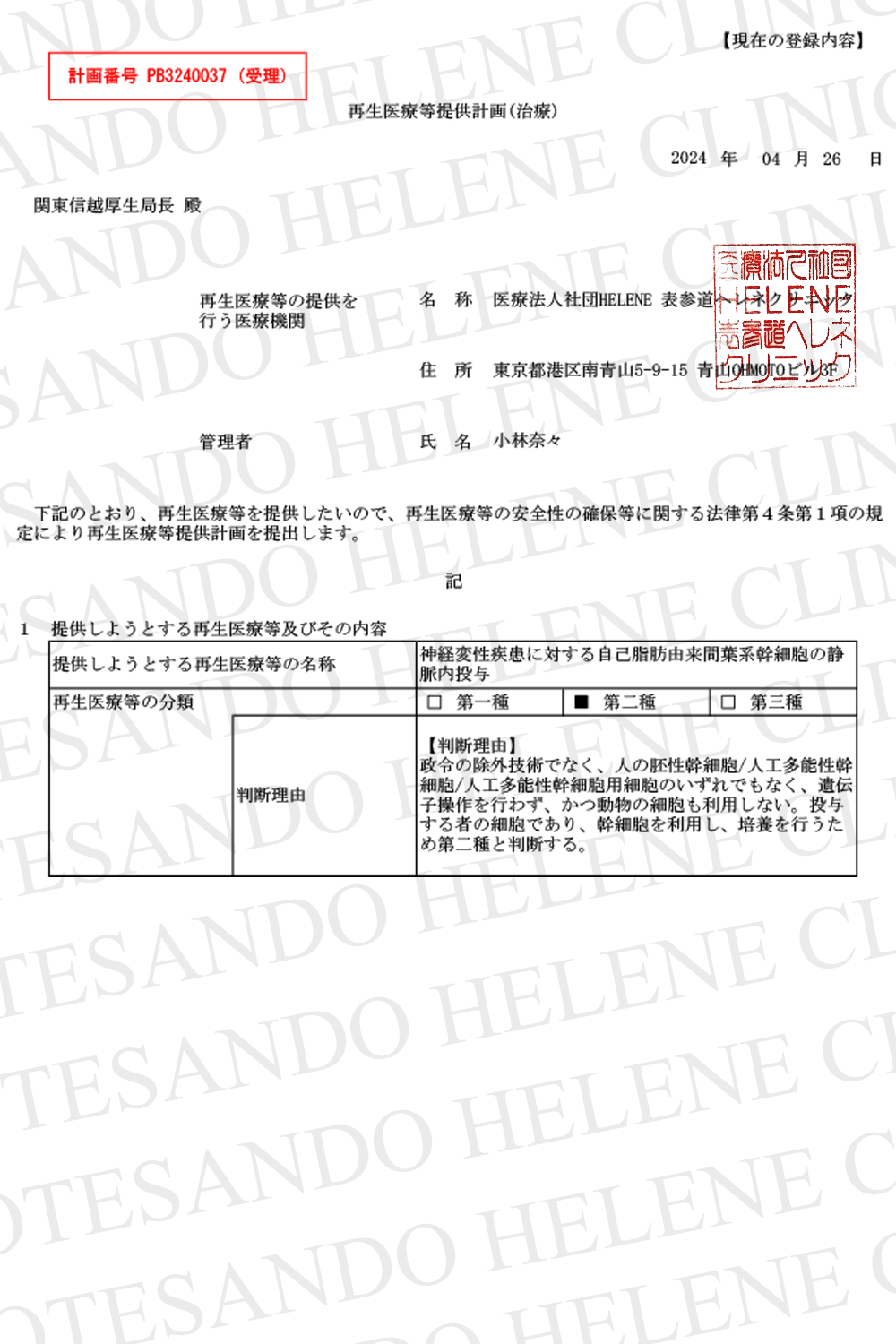
The culture supernatant is added to an intravenous solution such as an IV drip and administered slowly.
Because the culture supernatant is rich in a wide variety of cytokines, it is expected to activate cells in damaged areas of the body and strongly restore various tissue functions from the effects of aging.
Due to the effect of insulin contained in the supernatant, hypoglycemia may occur, so you may be asked to consume sugar before and after administration to raise your blood sugar level, and your blood sugar level will be monitored using a simple blood glucose meter during administration.
If you are considering treatment with culture supernatant,
please contact the clinic first.
We will provide you with detailed information and explanations about the treatment.
Click here for inquiries and counseling appointments
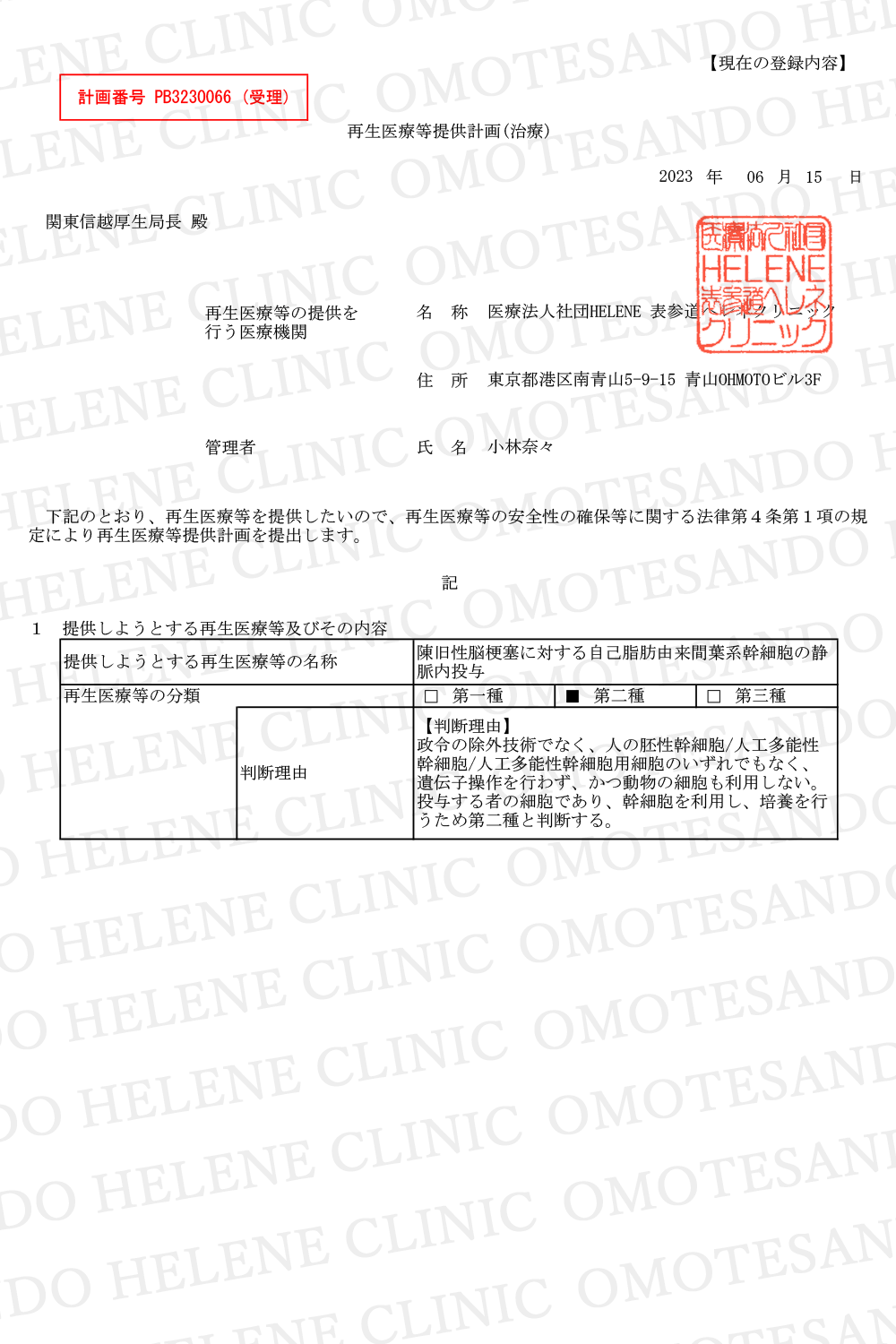
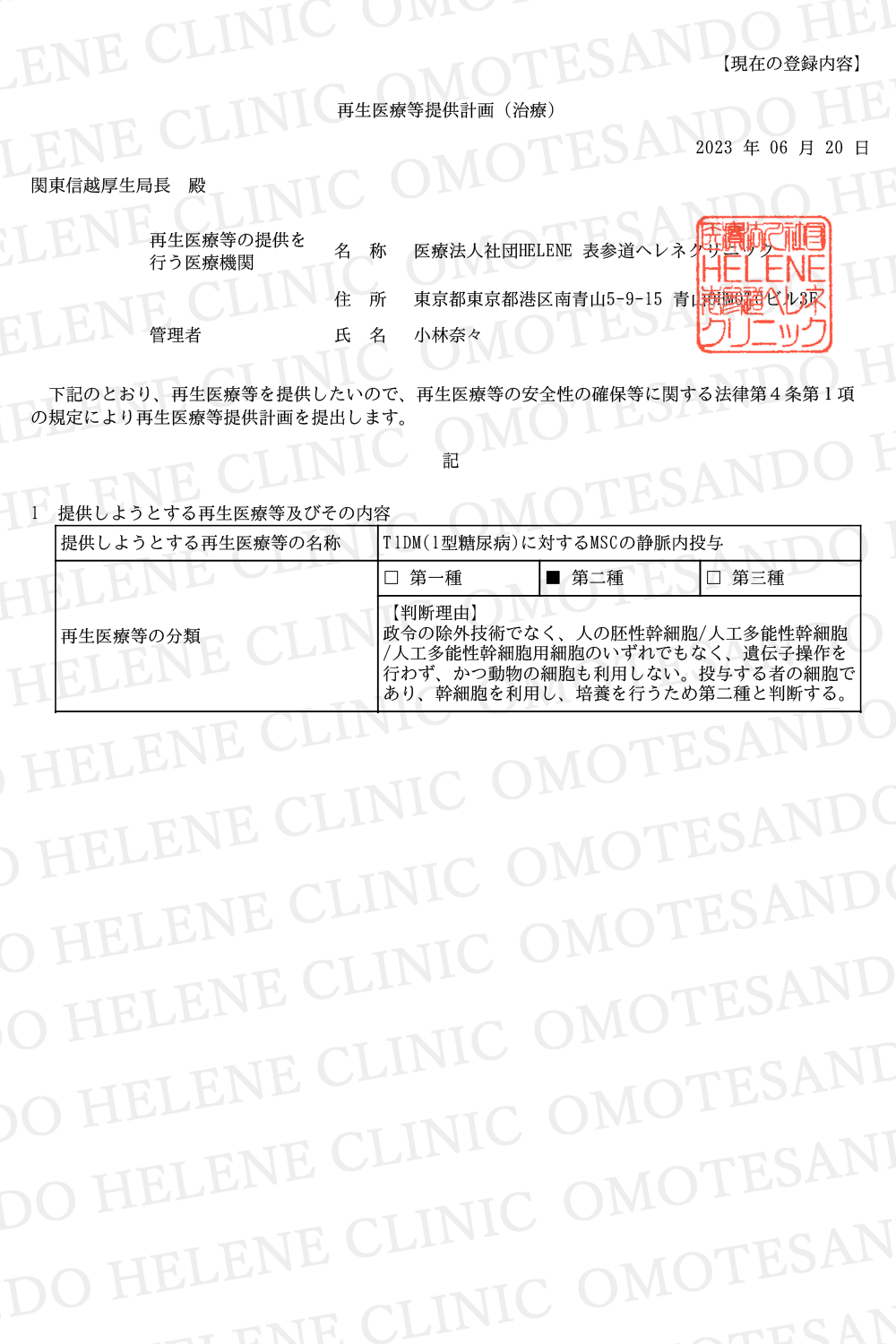
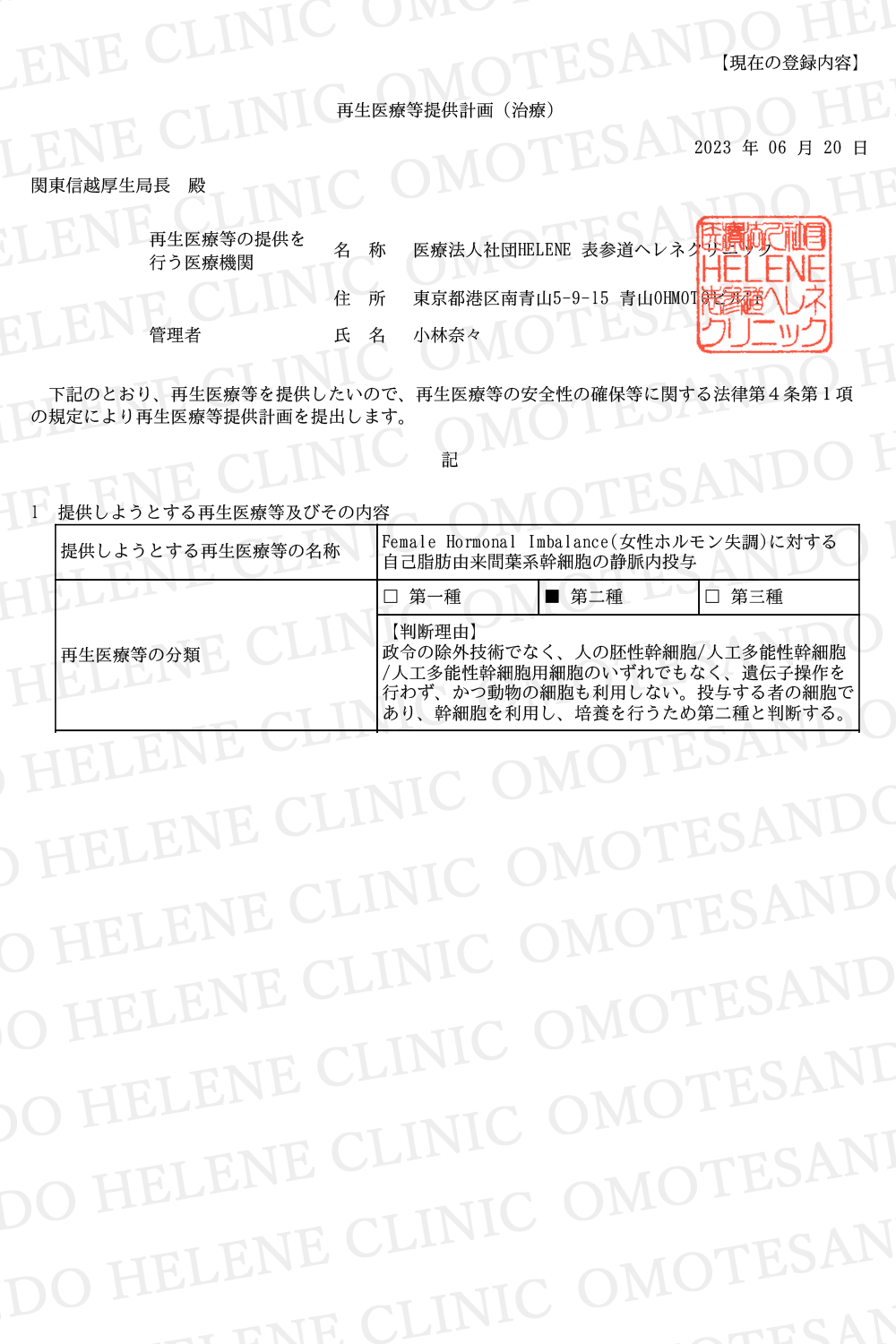
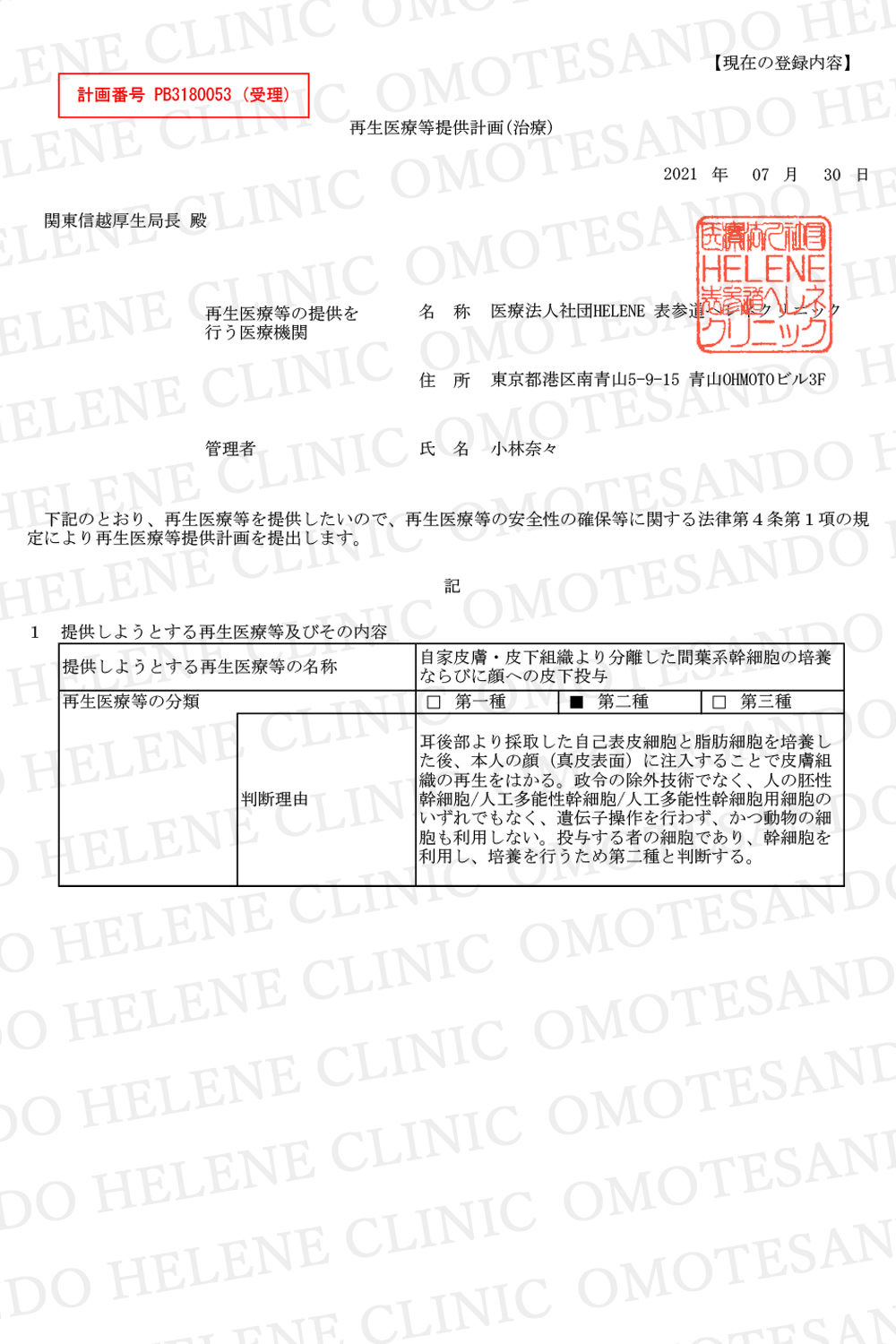
(1) Disclosure of the fact that it is an unapproved drug: This drug is an unapproved drug in Japan and is prescribed on a self-pay basis.
*Public relief systems (Pharmaceutical Adverse Reaction Relief System and Biological Product Infection Relief System) do not apply to unapproved drugs.
(2) Disclosure of the source of supply, etc.: This drug is prepared in-house.
(3) Existence of domestically approved drugs with the same ingredients and efficacy: None
(4) Disclosure of information on safety, etc. in other countries: The safety is the same as that of exosome therapy. No major adverse events have been reported.