【English】What kind of cells are stem cells?
The human body is formed through repeated division of a fertilized egg, and an adult human body is composed of approximately 37 trillion cells. These cells include those necessary for the muscles, bones, blood vessels, and skin that move the human body, as well as those necessary for blood circulation and metabolism. Some cells are constantly renewed, while others are damaged by injury or disease. Stem cells can replenish these cells after apoptosis or damage.
Stem cells have two functions: the ability to divide into self-renewing cells identical to themselves and the ability to differentiate into other cells as needed. Stem cells are broadly classified into two types. First, there are "tissue stem cells," which reside in tissues and organs and continuously produce and provide cells that perform specific functions, such as: For example, hematopoietic stem cells can only differentiate to produce blood-related cells, while neural stem cells can only differentiate to produce blood-related cells. Each cell has its own role. The other type of cell is "pluripotent stem cells," which can behave like embryonic stem cells (ES cells) and differentiate to produce all types of cells in the body. In other words, pluripotent stem cells can produce stem cells for all tissues in our body.
Pluripotent stem cells can be used to create any type of cell, even if organs or functions are impaired by illness or injury. It is also possible to create stem cells themselves. Professor Yamanaka of Kyoto University won the Nobel Prize for his creation of multifunctional iPS cells, drawing attention. Using induced pluripotent stem cells (ESCs), embryonic ES cells are used to create these cells. However, the use of embryonic ES cells raises safety issues, such as the possibility of tumorigenesis, as well as ethical concerns. Further research is needed before they can be widely used. Japan's Ministry of Health, Labor, and Welfare has not yet opened up the use of iPS and ES cells for treatment.
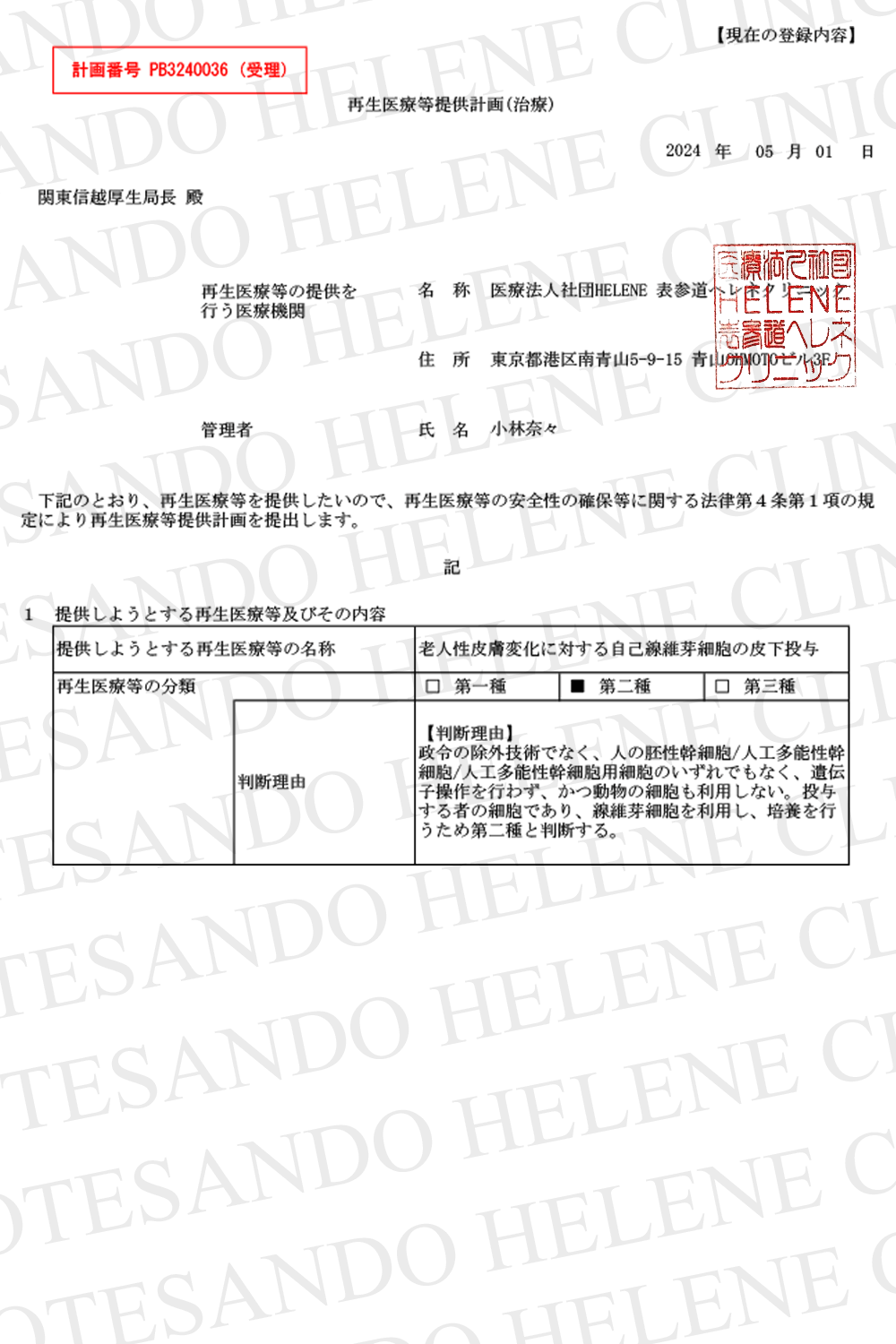
Tissue stem cells are stem cells used in regenerative medicine at many medical institutions. Tissue stem cells cannot do anything like pluripotent stem cells, but human adipose tissue is derived from mesenchymal stem cells, so it has the ability to differentiate stem cells. They can differentiate into tissues such as cartilage, bone, fat, and nerves. With clinical studies at home and abroad, it can also be used to alleviate more complex conditions, where the more common application scenario is anti-aging, capable of treatment for preventive purposes.
What is the effectiveness of this treatment?
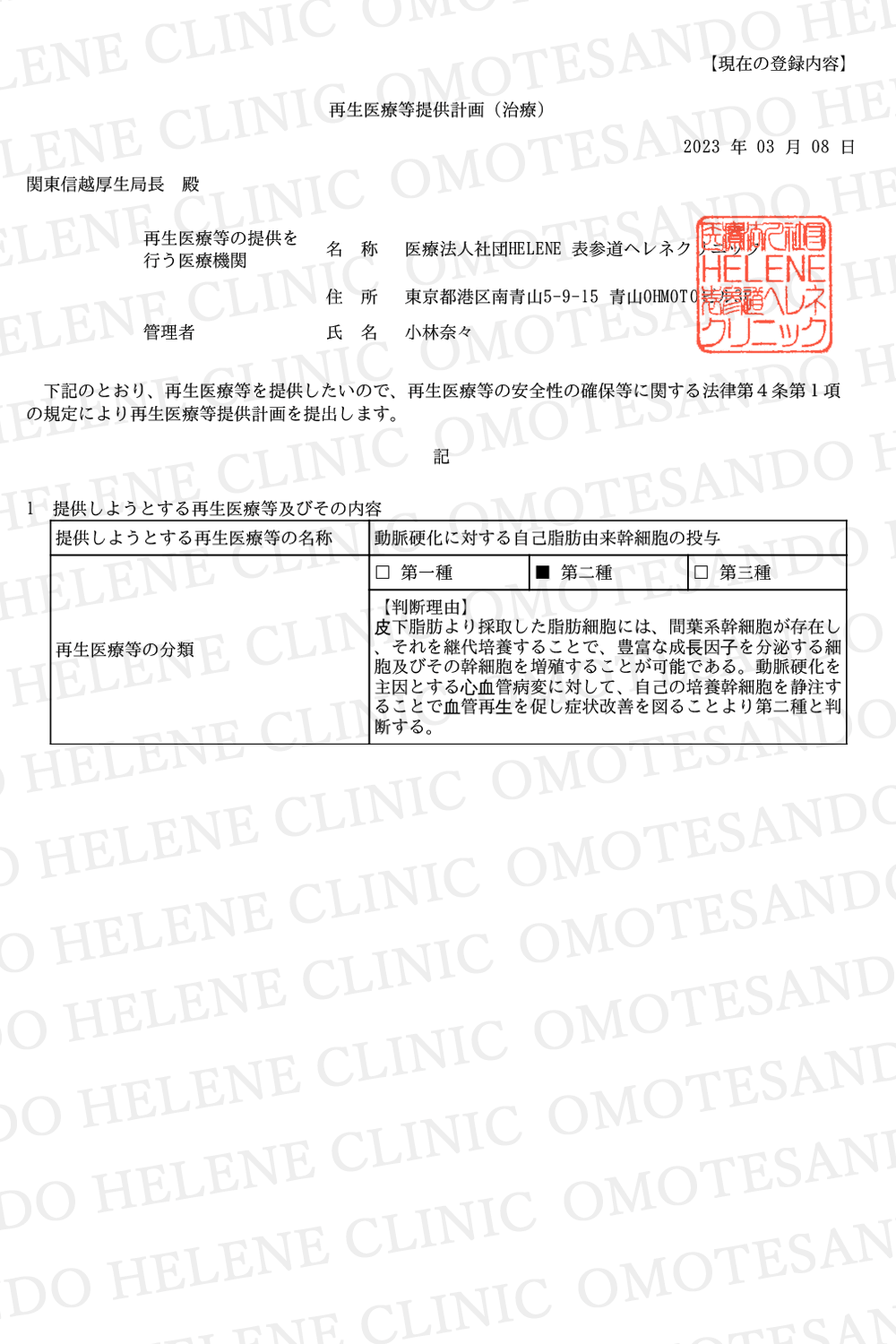
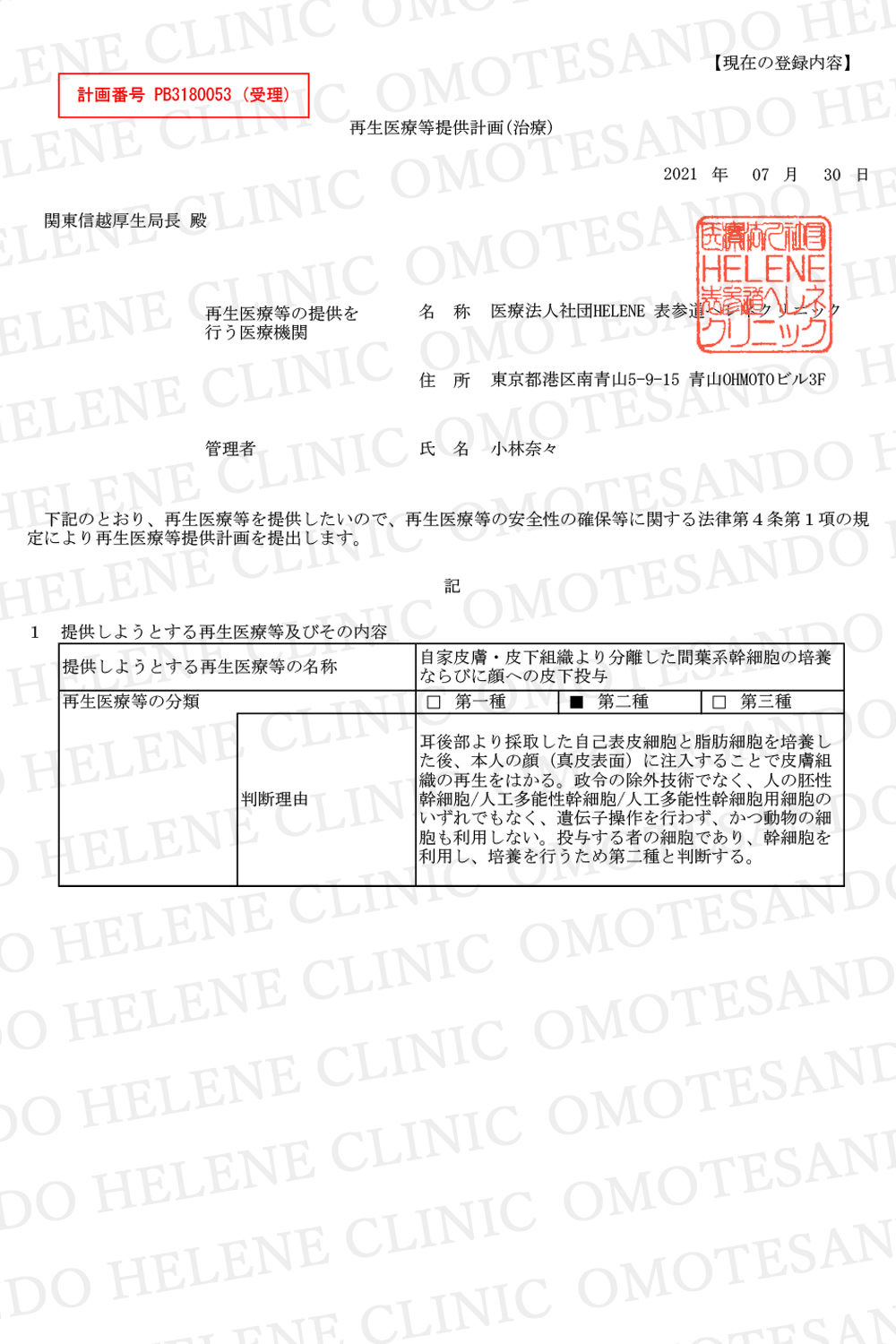
Stem cell therapy using human adipose-derived mesenchymal stem cells is commonly used in regenerative medicine. First, autologous cells are harvested. After anesthesia, a piece of skin tissue approximately 3-5 mm in diameter is collected from behind and below the ear canal (subcutaneous fat cells). The cells are then cultured in a specialized CPC (cell culture facility) for approximately four weeks. Finally, the expanded stem cells are returned to the body via intravenous or subcutaneous injection. Stem cells use a homing effect to search for and receive signals throughout the body, and areas lacking stem cells undergo aging. Similarly, stem cells differentiate into cells needed to repair damaged areas. Simply put, stem cell therapy involves replenishing damaged areas with new cells, restoring and regenerating deteriorated functions.
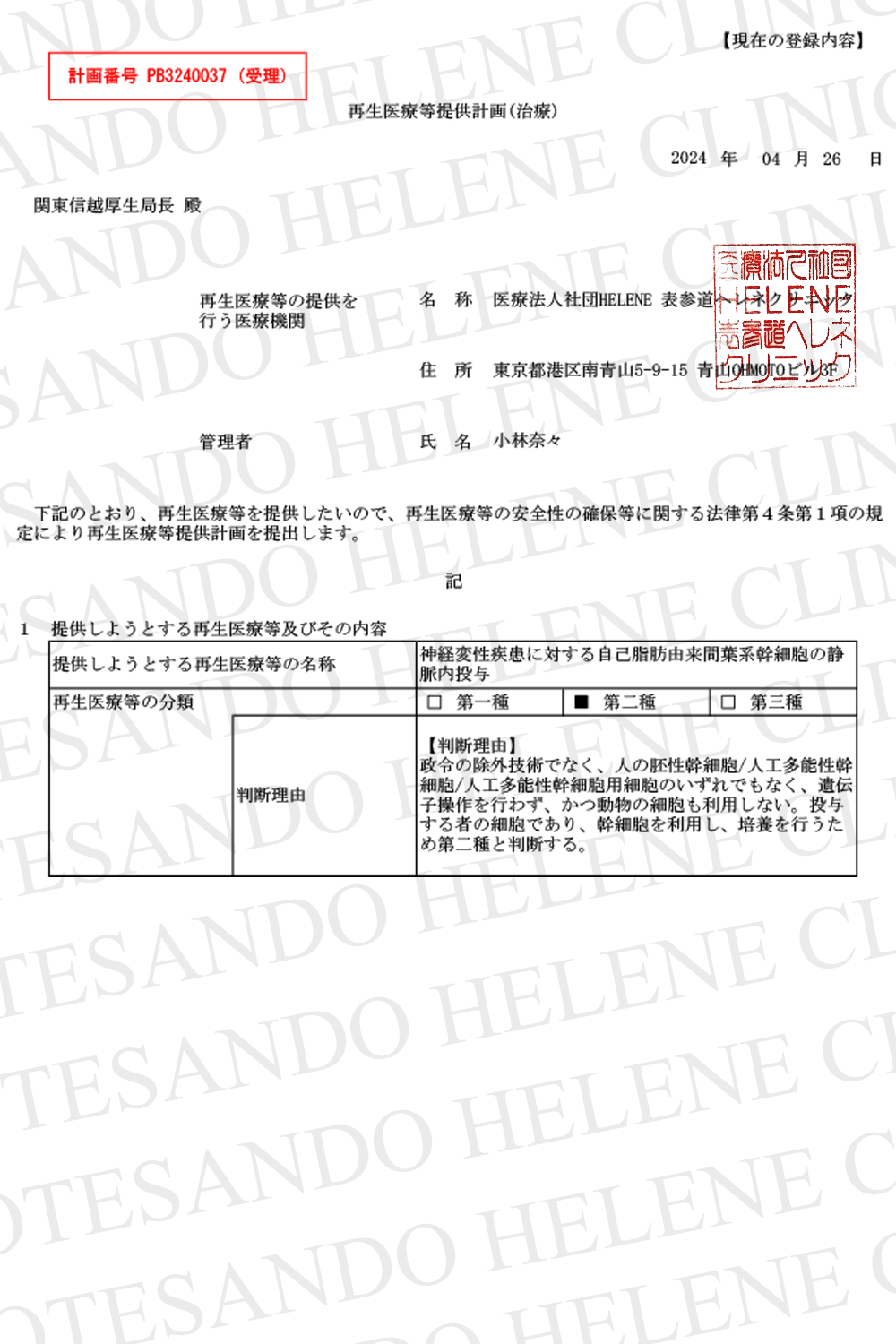
Advantages of adipose-derived MSC therapy 1. High safety: Human adipose-derived MSC therapy utilizes the following characteristics. The chances of rejection and side effects are greatly reduced due to self-made stem cells. At this stage, there are no reports of carcinogenicity, and we have issued a report certified by a third-party inspection organization that the stem cells cultured at our hospital are carcinogenic. Stem cells have no neoplastic problems. 2. Less burden on the body: At our clinic, we use a method that removes a small amount of fat cells from the back of the ear canal, which is less damaging and more effective than abdominal surgery. Trauma is taken in a much less invasive way. Stem cell infusion is performed on the same day by injecting cultured stem cells into the body by intravenous drip or subcutaneous injection. No hospitalization is required. It has anti-aging effects on menopausal symptoms, joints, blood vessels, and skin. It is also effective against diseases such as stroke, spinal cord injury, diabetes, kidneys, and heart.
Disadvantages of Mesenchymal Stem Cell Therapy: 1. Stem cells are cultured in specialized laboratories, which increases costs.
2. Limited Differentiation Ability: Unlike pluripotent stem cells, tissue stem cells can only differentiate into a limited number of cells, making them suitable for a variety of uses. The scope of treatment is limited.
3. A New Type of Treatment: Because this is a new type of treatment, the possibility of unexpected events occurring in the future cannot be completely ruled out. Treatment depends on individual physical condition, and not everyone can undergo it.
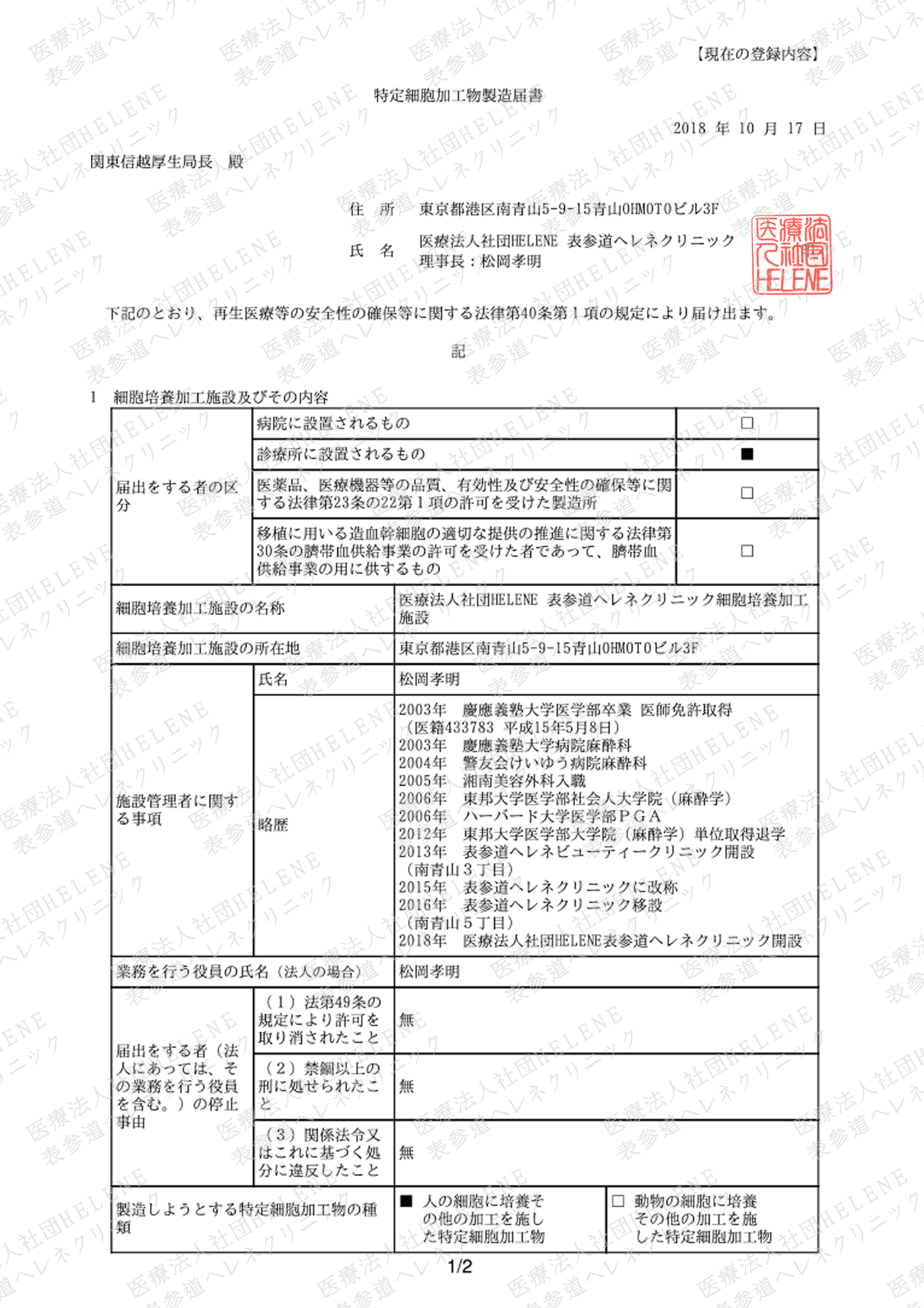
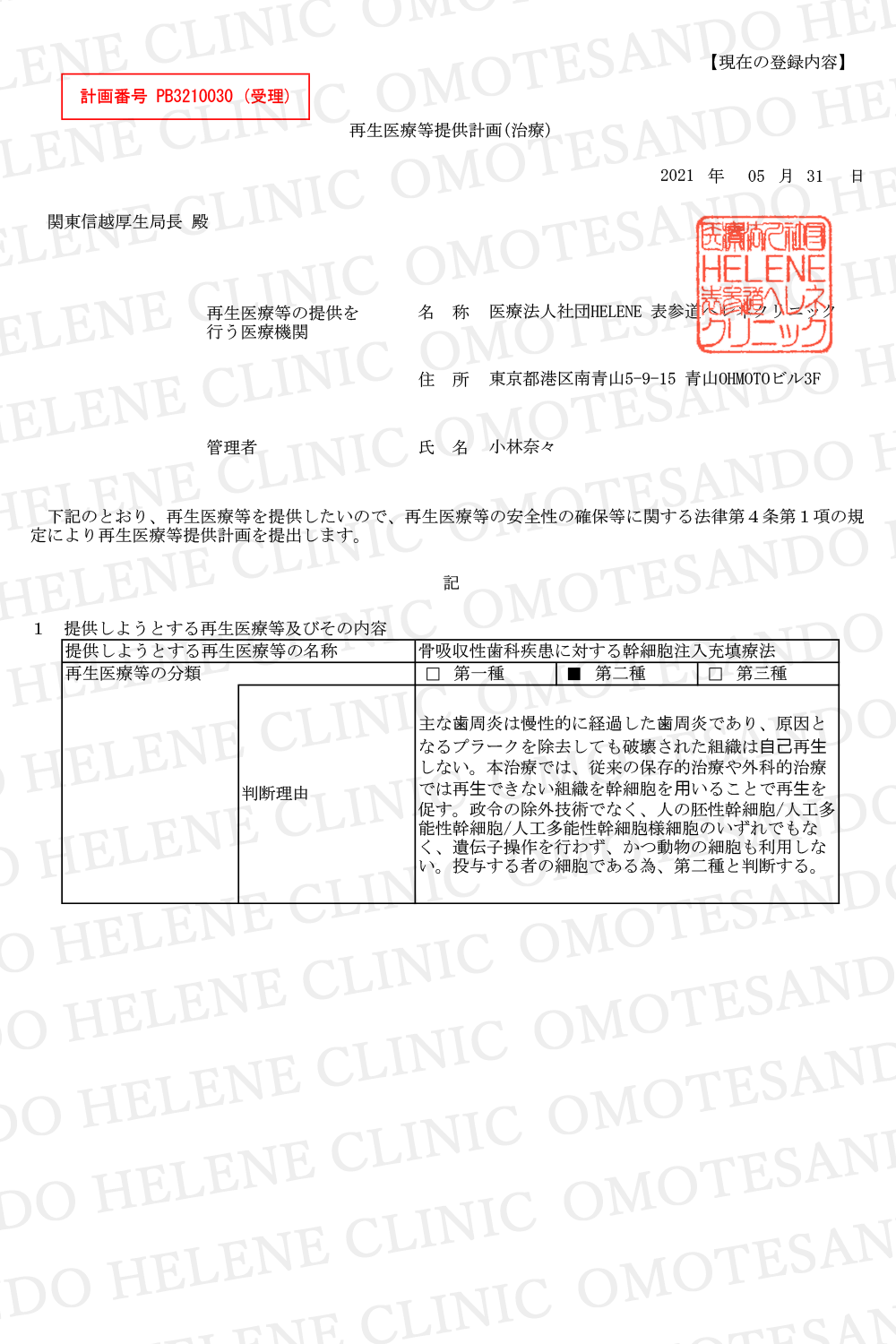
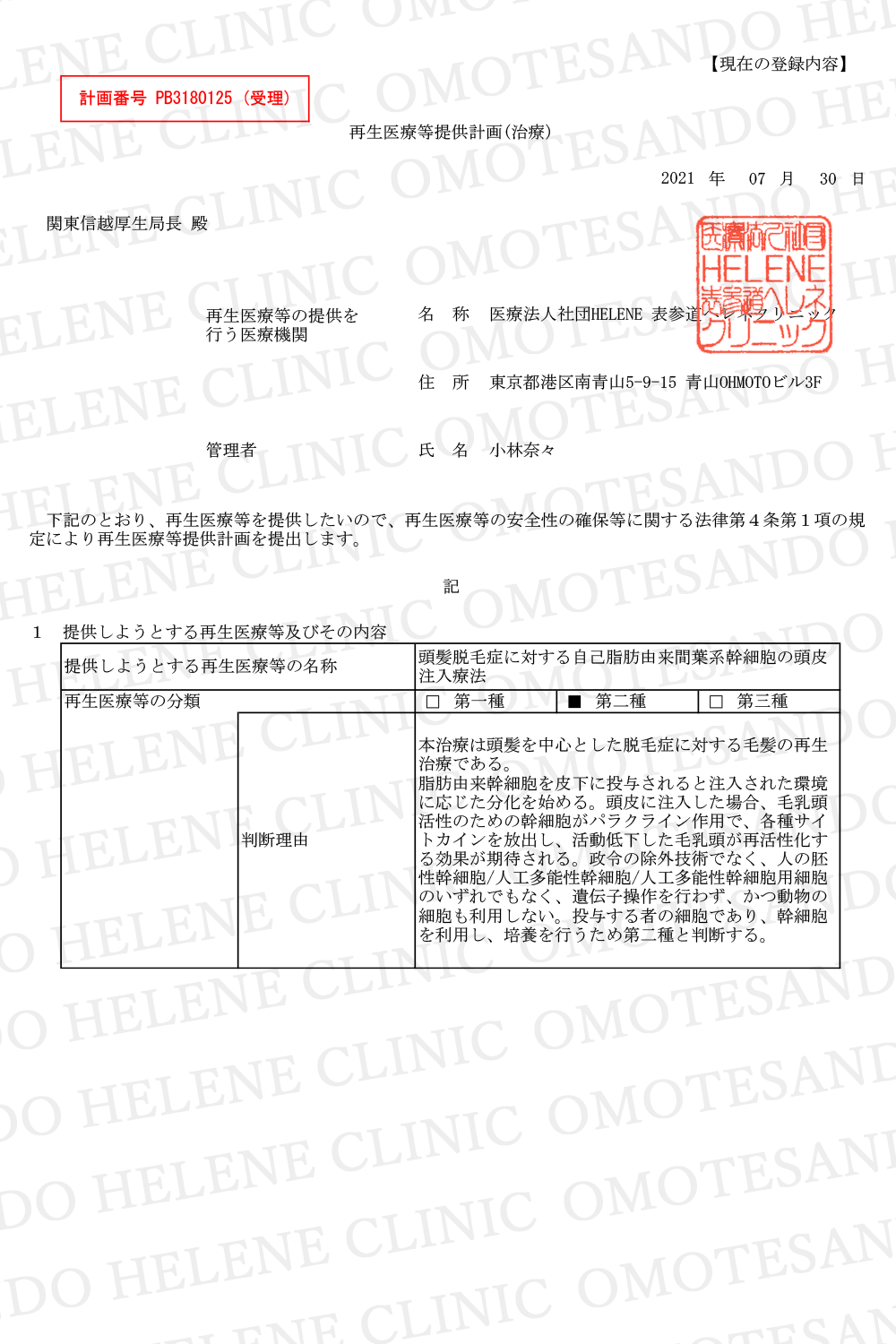
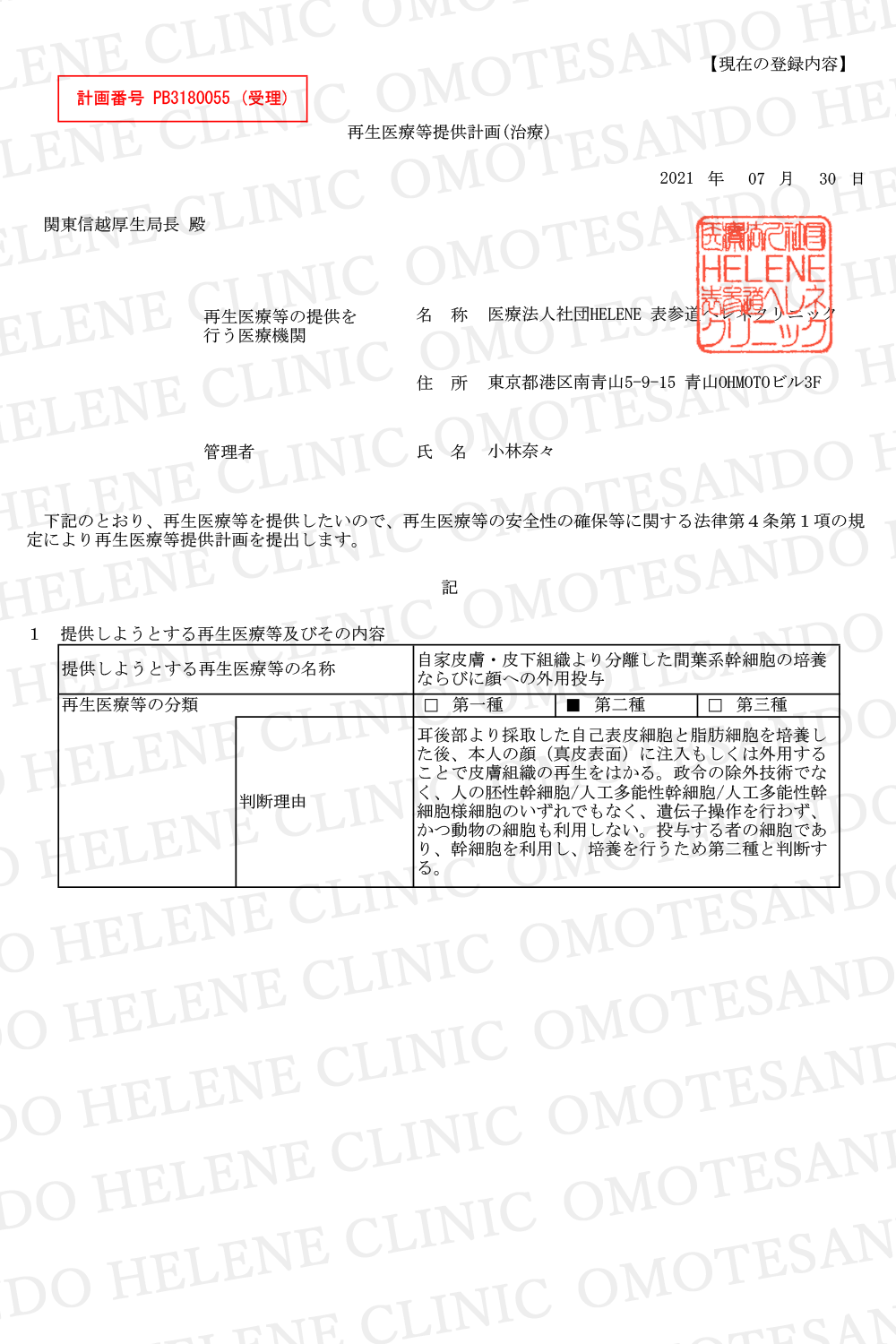
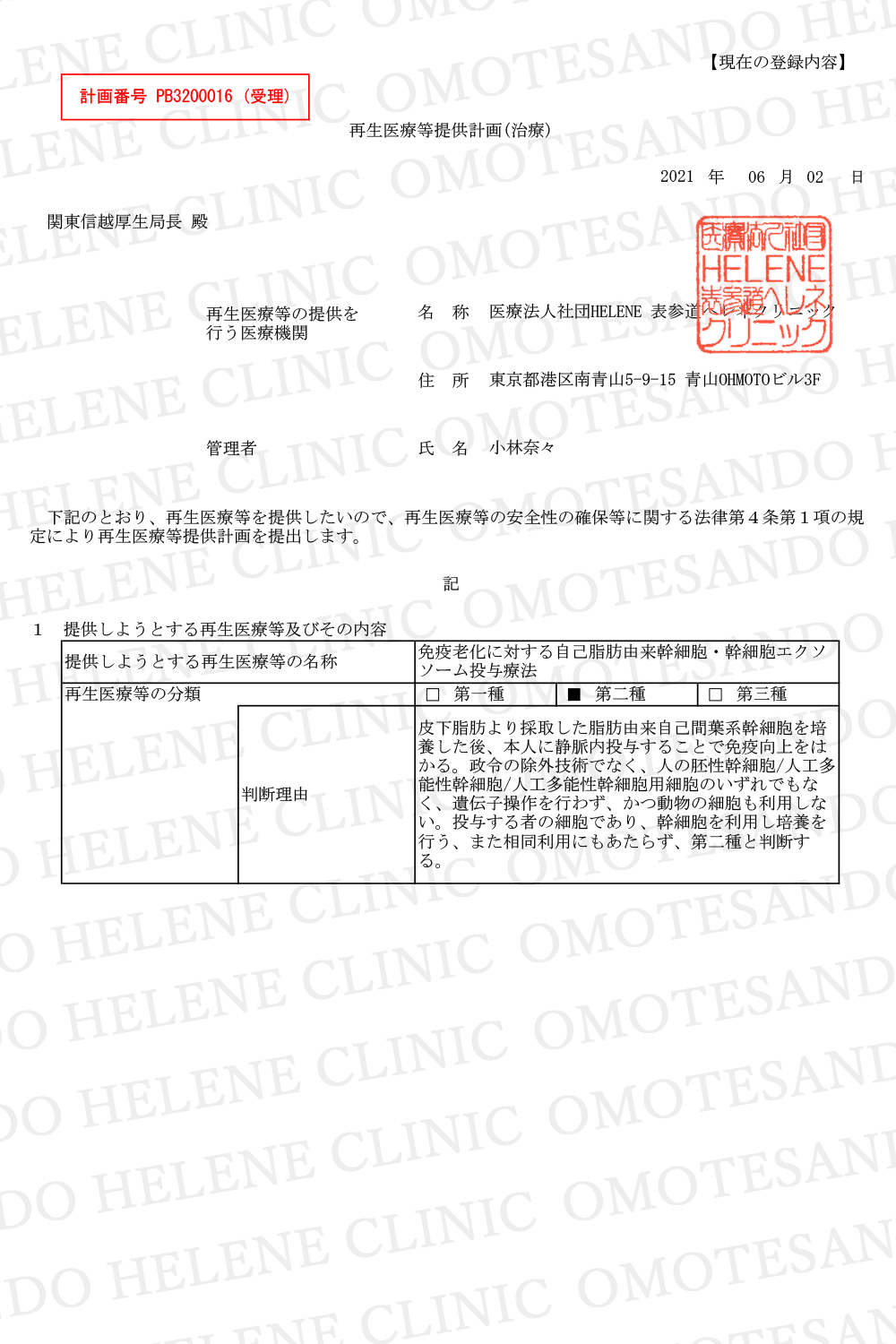
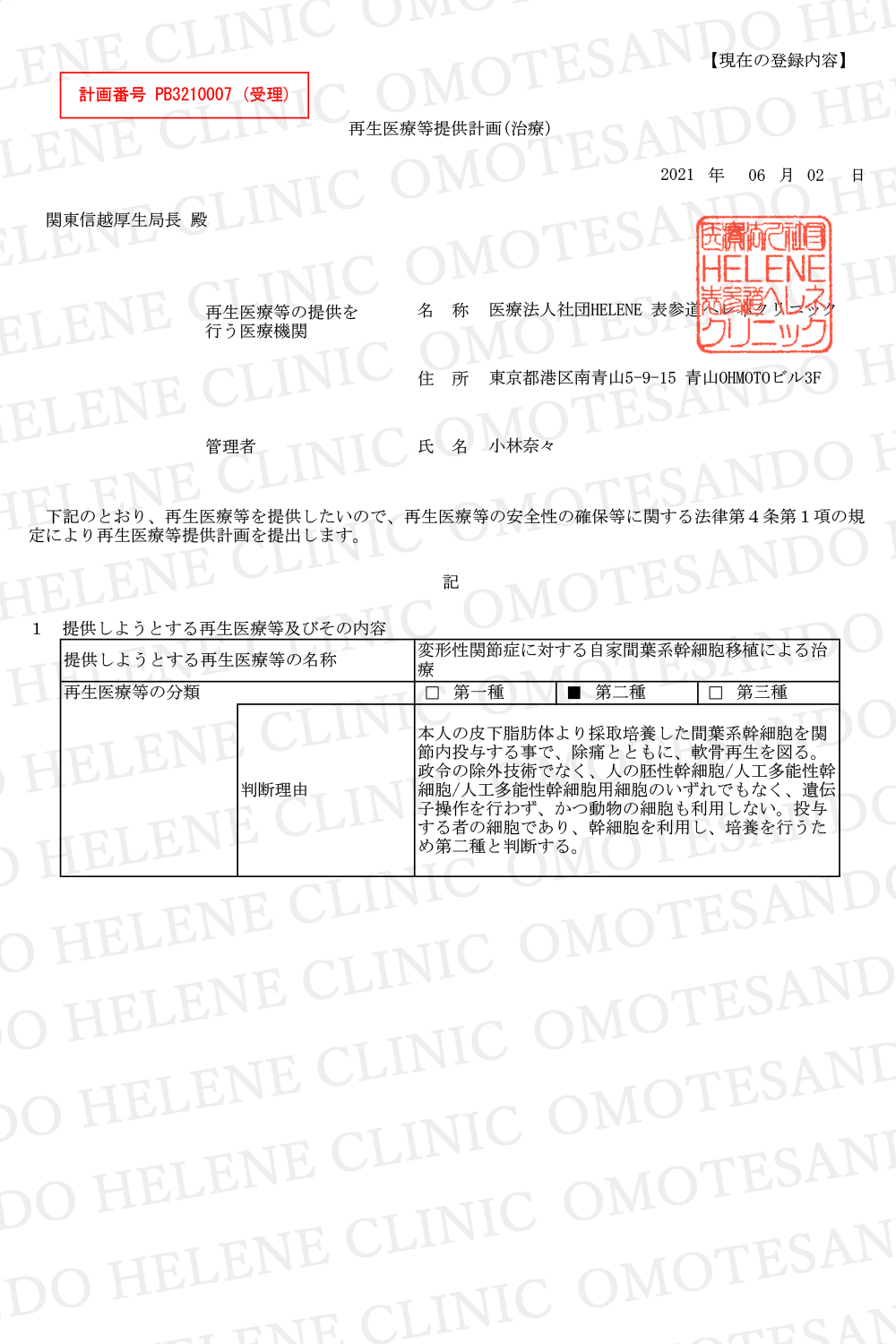
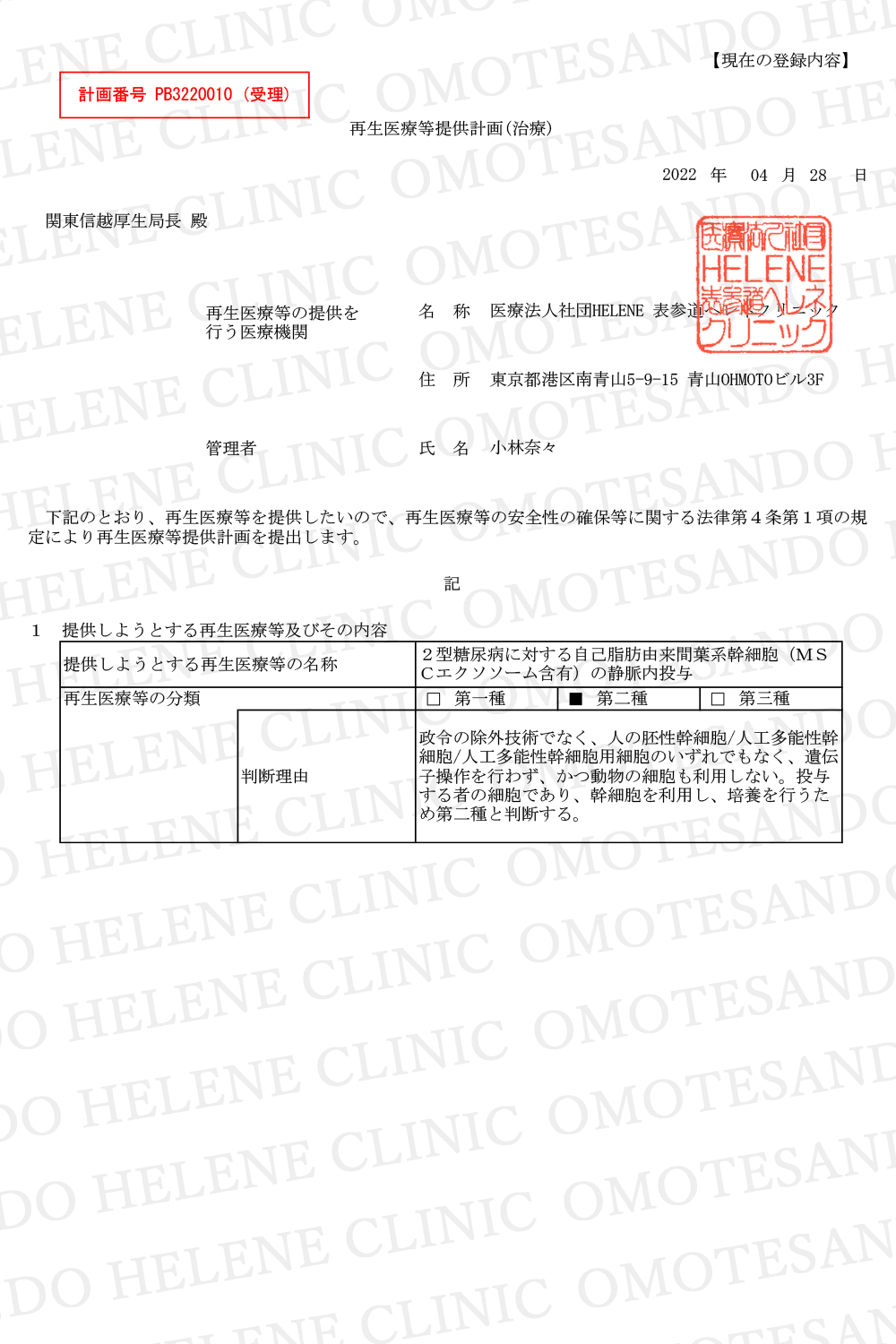
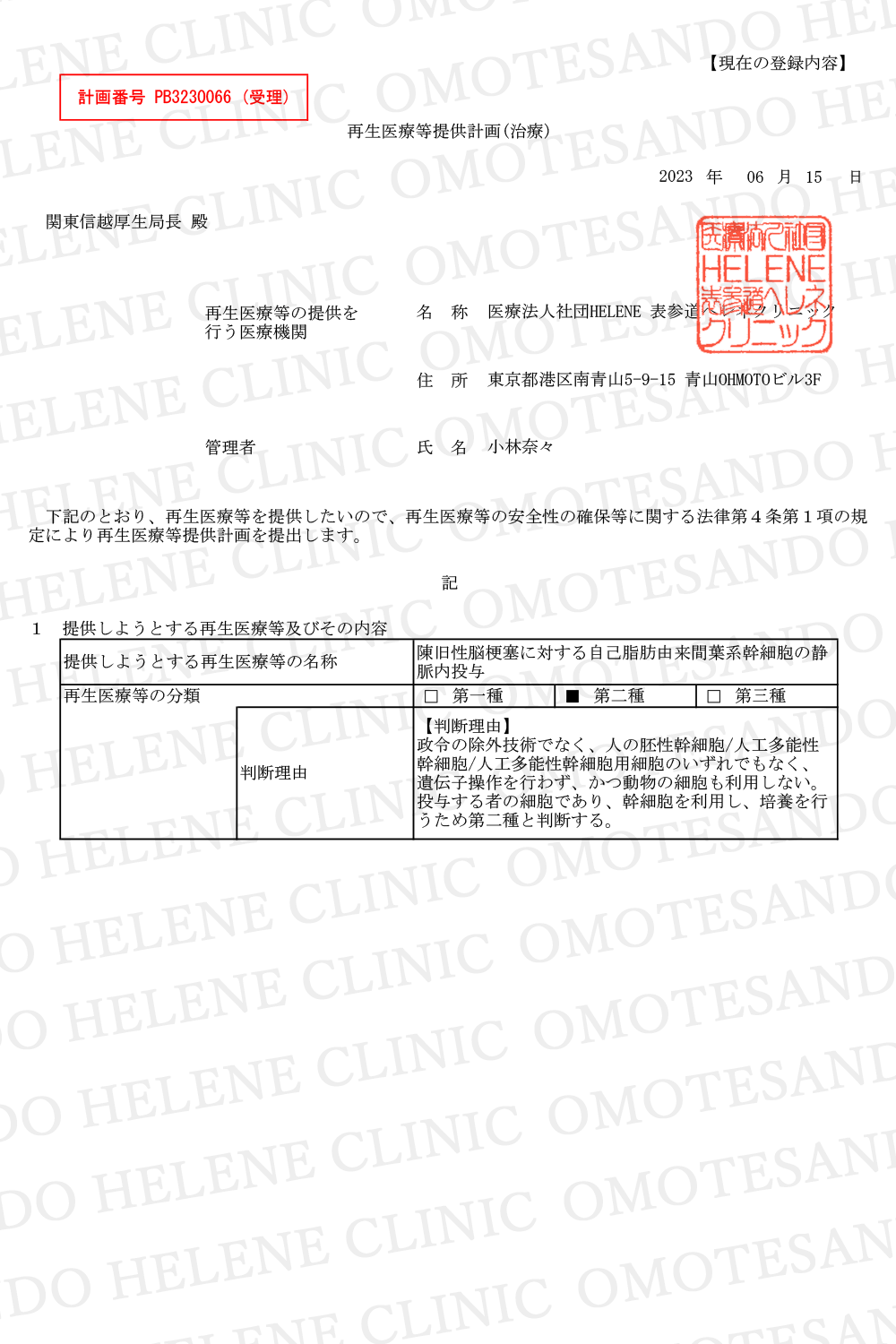
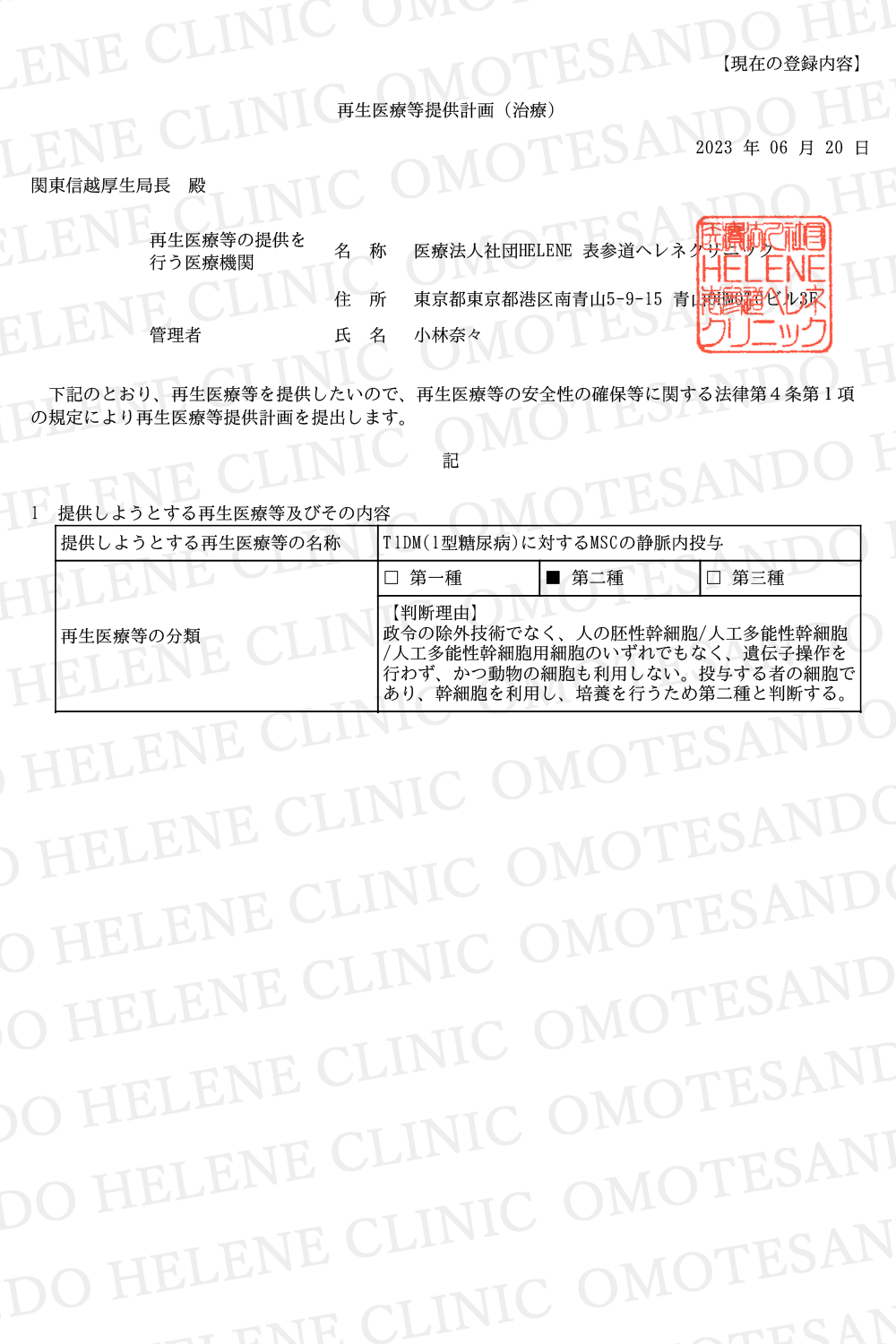
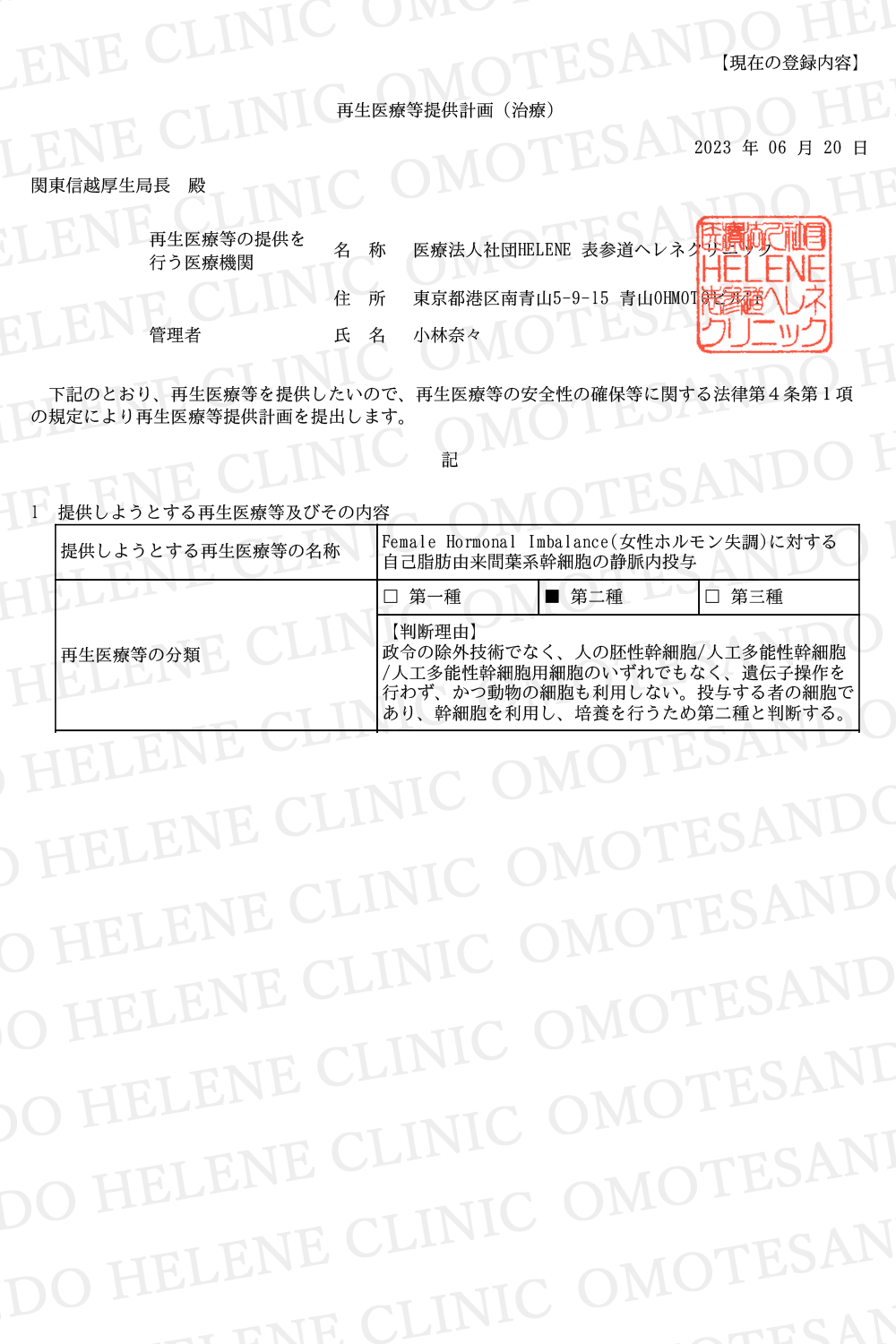
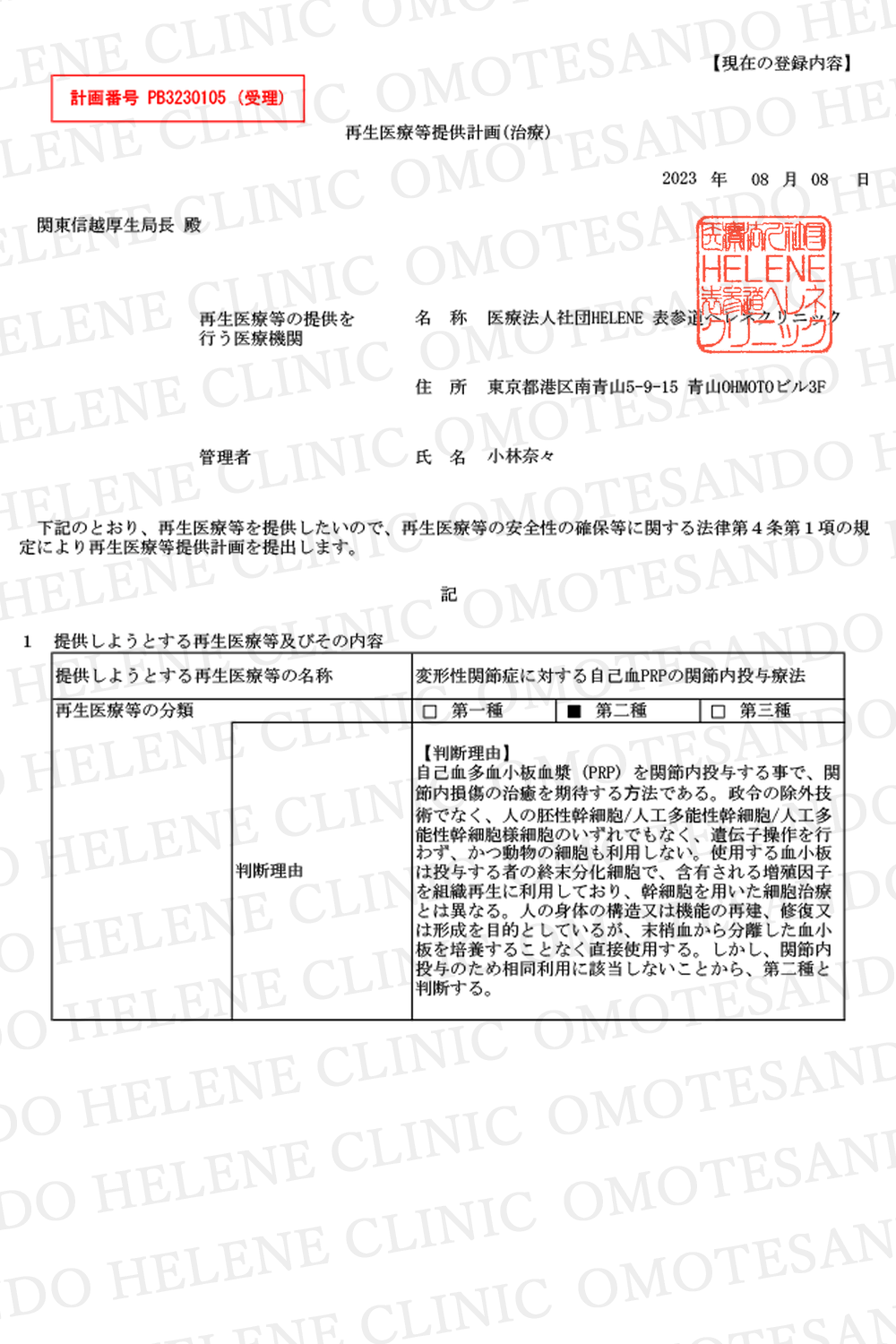
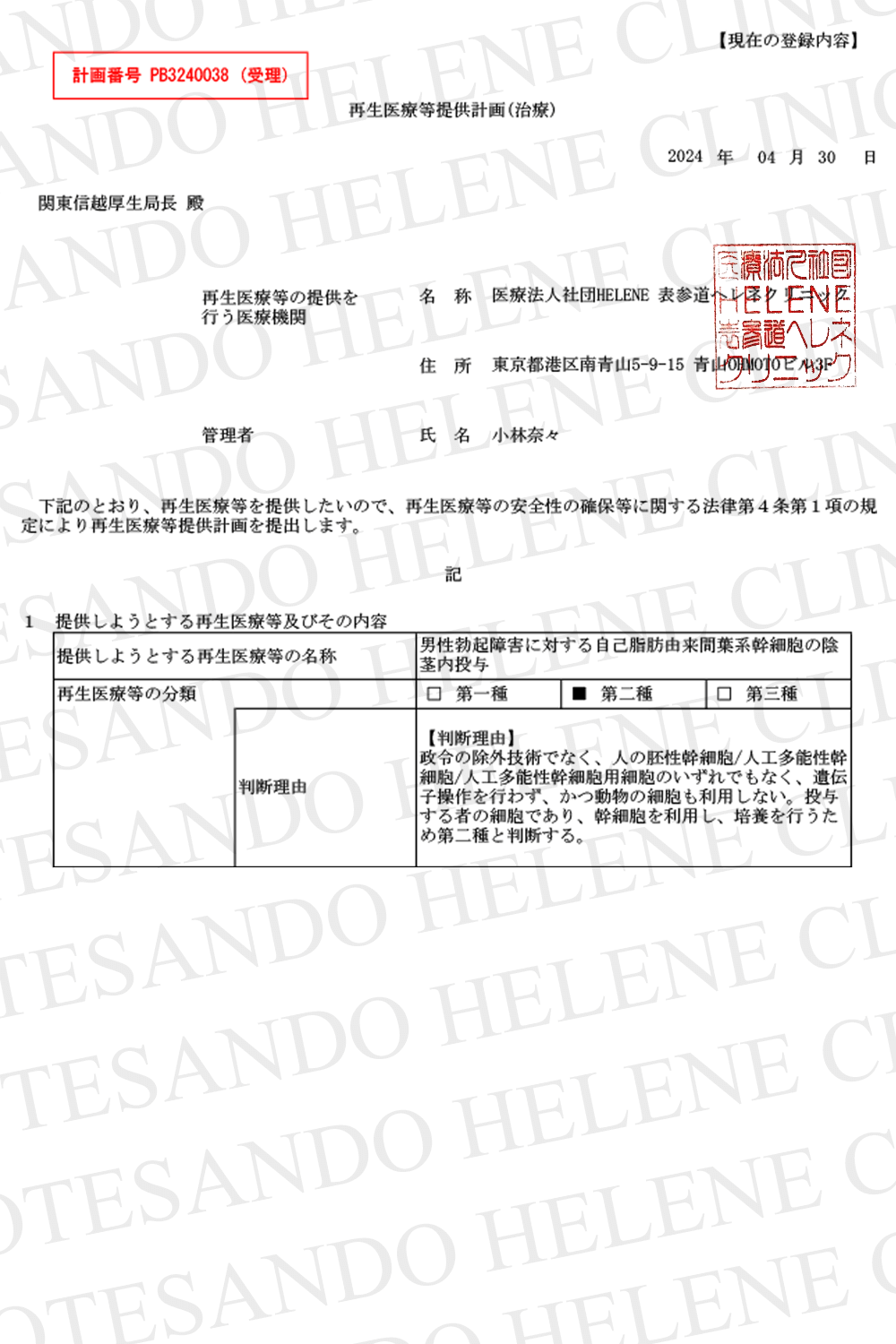
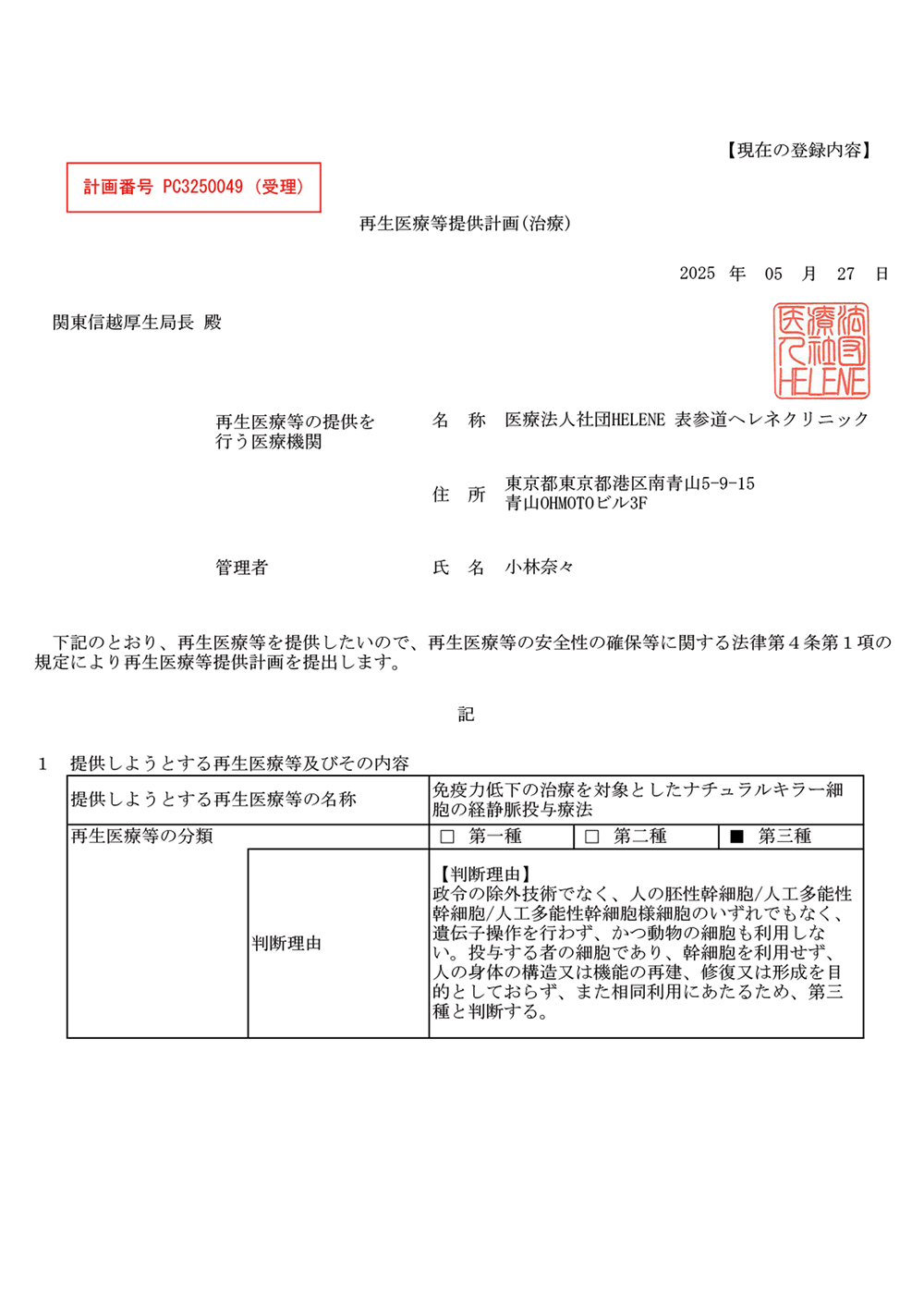
Choose a Clinic Carefully: Stem cell therapy for fat loss, like other treatments, has its pros and cons. To maximize the effectiveness of treatment and minimize accidents, it is important to choose a clinic carefully. Regenerative medicine treatment facilities must meet strict standards and be approved by the Ministry of Health, Labor, and Welfare. Treatment can only begin after receiving approval from the clinic for the plan. Therefore, be sure to consult a reputable medical institution before undergoing treatment.
[Chinese] Is this dry cell?
The human body consists of a fertilized egg, which undergoes a continuous process of differentiation and division, and the adult human body consists of 37 trillion cells. Among them, the human body has active skin, bones, blood vessels, skin, and muscles, as well as physical blood circulation and new facilities, which require constant renewal of the physical structure, resulting in injury or disease. However, it is possible to cause a slight decline, or to suffer from damage, and to make up for it.
The individual function of a cell has its own function, and the ability of self-reinforcement of a self-completely homogeneous cell, and the ability of differentiation of a cell to differentiate itself and the organization required by others. There are two major categories of cells that can be achieved. It is a "organized cell", which exists in the organ, and is constantly produced and provided by specialized functional cells, such as epidermal cells or blood cells. Its differentiation is localized, in other words, blood-forming cells are only capable of producing blood-related cells; Each cell has its own corner color division. In addition, it is a ``pluripotent stem cell'', a single embryonic stem cell, and a pluripotent stem cell that can produce differentiation. In other words, it is possible to create a multifunctional cell, which can be produced by various types of cell in our own bodies.
multi-functionality
, it is possible to create a new cell, but it is also a cause of disease or injury, and it is also possible to reproduce the new cell. Professor Yamanaka of Kyoto University has developed an artificially produced multipotent stem cell (iPS), which has since been used as an embryonic "ES" cell. However, there are safety issues such as possible occurrence and aneurysm, and issues such as the existence of embryonic ES cells in use. In the near future, we will conduct research on certain issues related to demand, and will soon be undergoing treatment for the undeveloped iPS and ES cells in Japan's Atsushi Province.
of the organization
, and there are many medical facilities that can be used in regenerative medicine clinics. The structure of the dry cell is invisible and pluripotent, and the cell has the ability to differentiate into bone, bone, fat, tissue, etc. It has been a multi-year study at home and abroad, and it can also be used to solve diseases and illnesses, among which it can be used as an anti-aging treatment.
How is the treatment going?
The use of human body fat-derived replenishment treatment for dry cells is a commonly used method in regenerative medicine. The top of the neck is the size of the skin itself, and the diameter of the surface below the ear is about 3-5 mm, including the subcutaneous fat cells. Hospital-based CPC (cell culture development) process: 4 cycles of left and right culture, followed by silent drip or subcutaneous injection method, and after growth, dry cell recovery within the body. The effective action of the dry cells is to search the whole body for movement, to receive the signal, to detect the parts where the cells are depleted, to differentiate the damaged parts from the senescent parts, to find the parts that require the necessary cells, and to repair the parts that are affected. The introduction of dry cell therapy is to replace the malfunctioning parts of the body with new supplements, to repair the declining functions, and to renew the youth.
Advantages of Fat-Derived Quality Dry Cells
1. Highly safe
Human fat-derived quality dry cysts should not be used on your own, but can significantly reduce the possibility of rejection, repulsion, and side effects. At present, we have reported cases of cancer development, and reported cases of cancer in the third party's development, as well as reported problems with the development of cancer in the cultivation of the hospital. However, the characteristics of the IPS system are not limited to the existing theoretical problems, and the IPS system does not have any logical problems.
2. When using a small body,
it is possible to use a small amount of fat tissue on the lower part of the face behind the ears, a small amount of fat tissue on the lower part of the face, and a large amount of weight on the body. When the dry cell is removed, it is passed through a silent drip or subcutaneous injection method, and after the treatment, the dry cell is removed within the body, and can be easily transferred without the need for a nursing home.
3.Effective period
*Effects of anti-ageing, including menopausal symptoms, blood vessels, skin, etc.
*Provides a certain improvement effect on certain diseases such as post-infarction syndrome, spinal cord injury syndrome, diabetes, abdominal pain and heart disease.
Fat derived quality dry cell cultivation legal points
1. The cost is high
, the price is free, the warranty is non-use, and the cultivation room is running in the dry cell cultivation, so the cost is high.
2.Differentiation capacity is finite
and multifunctional cells are finite, so the type of cells that can be differentiated is finite, so the range of suitable treatments is finite.
3. The reason for the new treatment method
is the new treatment method, so the possibility of the birth of a new student in the future is completely lost. Due to different physical conditions, non-owners may receive treatment.
If you choose your doctor carefully,
the fat-derived dry cell treatment method and other treatment methods have advantages and disadvantages. The merits of maximum land removal treatment, exhaustion of land evacuation, unexpected demand, carefully selected clinics. The implementation of the regenerative medicine treatment is available, and the requirements of the Ministry of Health, Labor and Welfare are to be met. Therefore, it is necessary to receive medical treatment in advance.